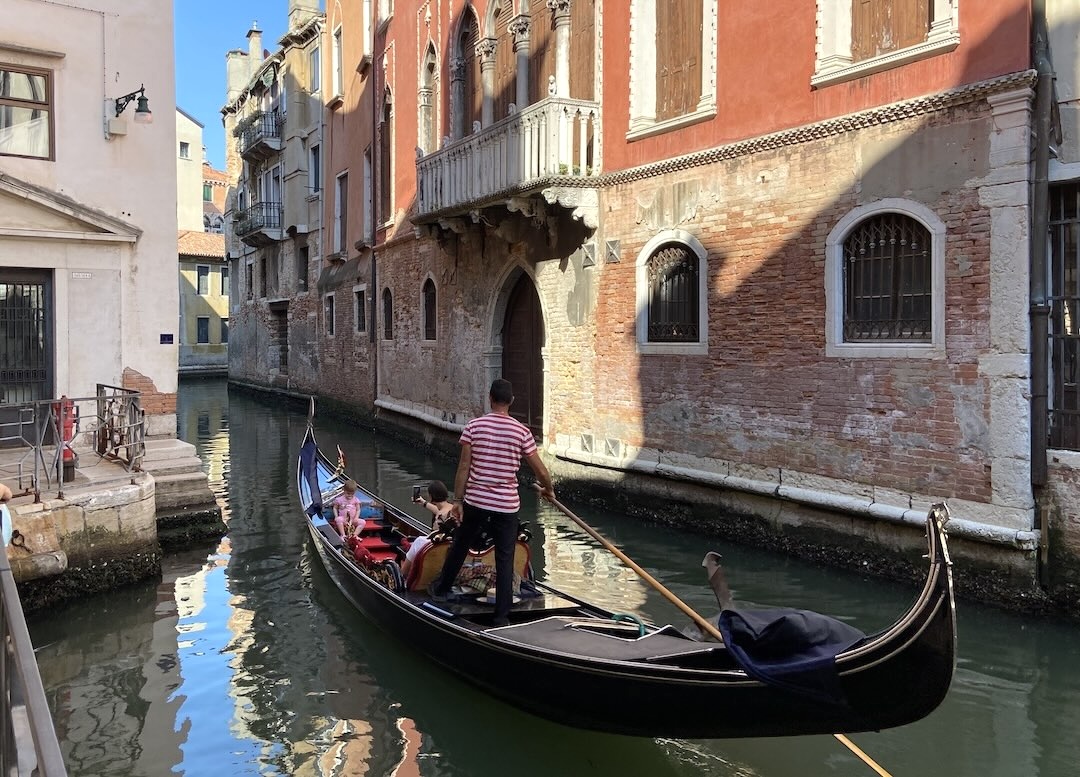
So, you’ve decided to visit Venice — and you want to plan your trip the right way.
Good news: I can help with that 🙂
For the past 10 years, I’ve been coming back to this unique city at least once a year. And I completely fell in love with it the very first time.
I’ve visited Venice in every season.
Walked countless miles through its streets (and canals!).
And over time, I’ve learned how to avoid the most common mistakes.
So today, I’m sharing all my best tips to help you organize your trip and make the most of your time in Venice.
☞ You should also read:
- Where to Stay in Venice, Italy? Best Areas & my Fav Hotels
- How to Visit St. Mark’s Basilica in Venice Without Missing Anything
Table of Contents
Book Early if You’re Traveling in High Season
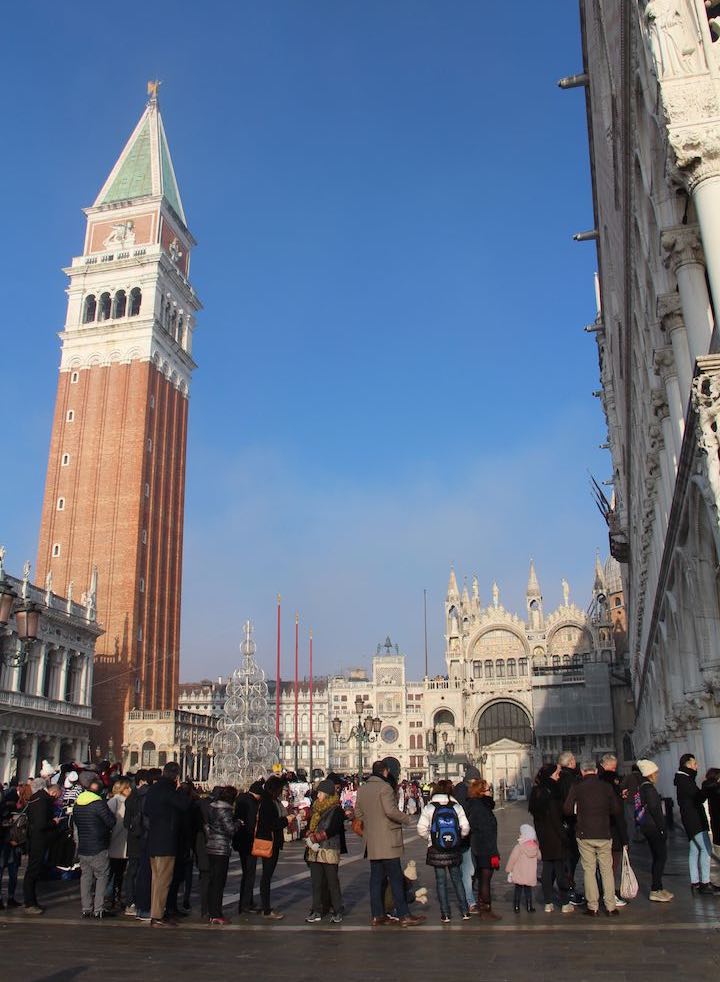
In Venice, high season runs from April to late October.
That’s when the city is at its busiest — and when prices are at their highest.
If you’re planning a trip during this period, it’s best to book your flights and hotel a few months in advance.
As your travel dates get closer, your options become more limited.
The best-located hotels are often fully booked several months in advance!
If you’re traveling in the low season (from November to March), things are more flexible.
You can usually book with less pressure.
⚠️ Good to know:
Weekends are busy in Venice all year round. If you’re planning a weekend trip, it’s still best to book ahead.
・Is There Really a Best Time to Visit Venice?
This is a question I get a lot. Mostly because Venice is often shown as overcrowded in photos and videos.
So let’s clear that up.
Yes, Venice can be busy in high season.
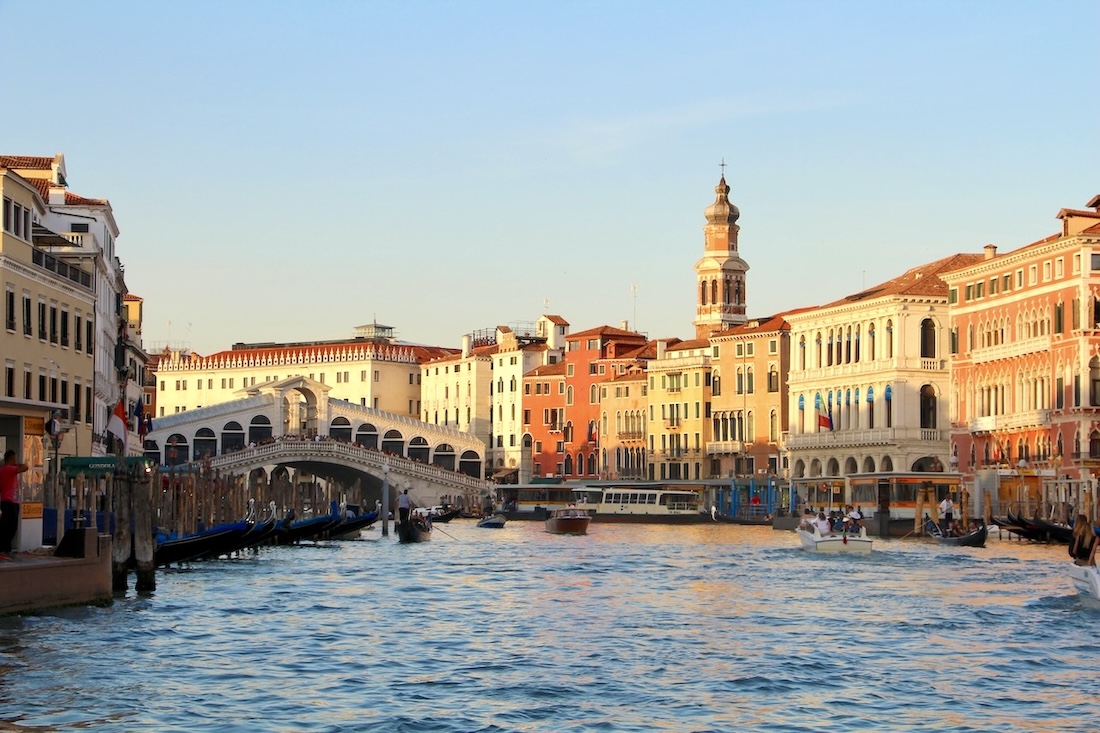
But most of the crowds are concentrated in a few areas — mainly around St. Mark’s Square and the Rialto Bridge.
The good news? You only need to walk a few streets away to find quieter corners.
The truth is, every season has its own charm in Venice.
In summer, I love the long sunny days.
Sitting on terraces, going to the beach, taking boat rides across the lagoon…
It’s warm, lively, a little chaotic — but in a good way.
You really feel that vacation atmosphere.
In winter, everything slows down. The city feels quieter, softer.
I love stopping for thick, creamy hot chocolate, sitting in lively local osterias, and walking along the canals in that soft, muted light.
Just keep in mind — the weather can be unpredictable in winter.
Cold, grey skies, and sometimes fog that doesn’t lift all day.
But on the bright side, the main sights are much easier to enjoy without the crowds.
Stay in the City Center
Because let’s be honest — trips are always too short to waste time getting around.
You’ll be close to all the main sights.
You can enjoy early morning or late evening walks when the city is at its most beautiful.
And you’ll have easy access to great restaurants and local spots, without needing to walk for miles or rely on public transport.
Here are my favorite areas to stay in Venice:
- San Marco (the entire district)
- Around the Rialto Bridge (on both sides of the canal)
- Castello, especially the area close to San Marco
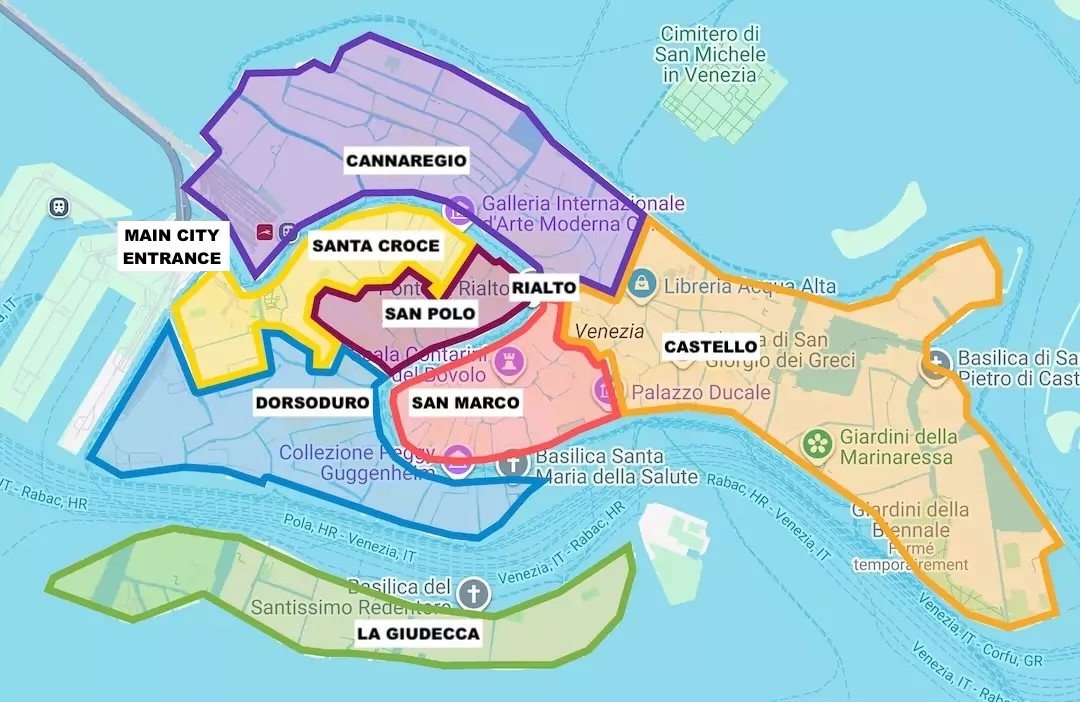
☞ Why stay in San Marco?
This is the most iconic part of Venice.
You’re right in the heart of the city, surrounded by its most famous landmarks.
Perfect for a short stay or a weekend trip.
→ View available hotels in San Marco
☞ Why stay near the Rialto?
A very strategic location.
You can easily explore both sides of the city and move between neighborhoods.
Ideal if you want to see as much as possible.
→View available hotels near the Rialto Bridge
☞Why stay in Castello?
Slightly more affordable than San Marco and Rialto.
Still very close to the main attractions, but in a quieter, more local area.
Perfect if you want to avoid the crowds.
→View available hotels in Castello
Make a List of What You Want to Do
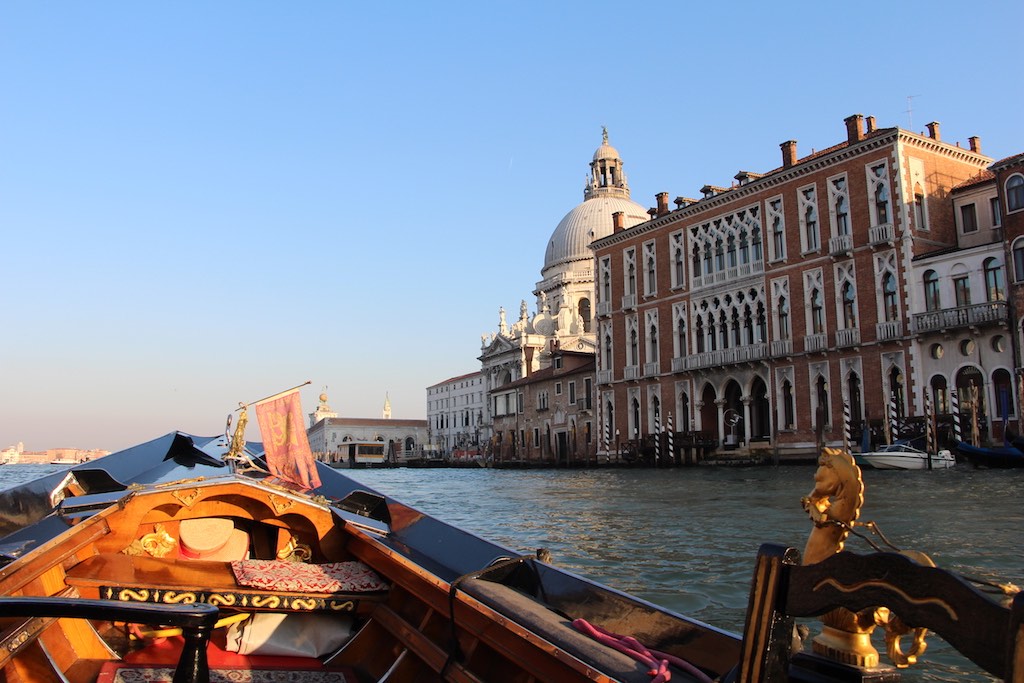
You don’t need a strict itinerary.
But it’s important to have a general idea of what you want to see.
Think about the essentials: landmarks, neighborhoods, palaces, guided tours, evening activities, museums, shops, and good places to eat.
Write down everything you’d really like to experience.
You probably won’t have time to do it all — and that’s okay.
But having a list makes it much easier to plan your days.
You can then adjust depending on your mood, the weather, or how busy the city is.
Always Book Tickets for Major Landmarks in Advance
Once you’ve made your list, it’s important to book tickets ahead for some of the main attractions.
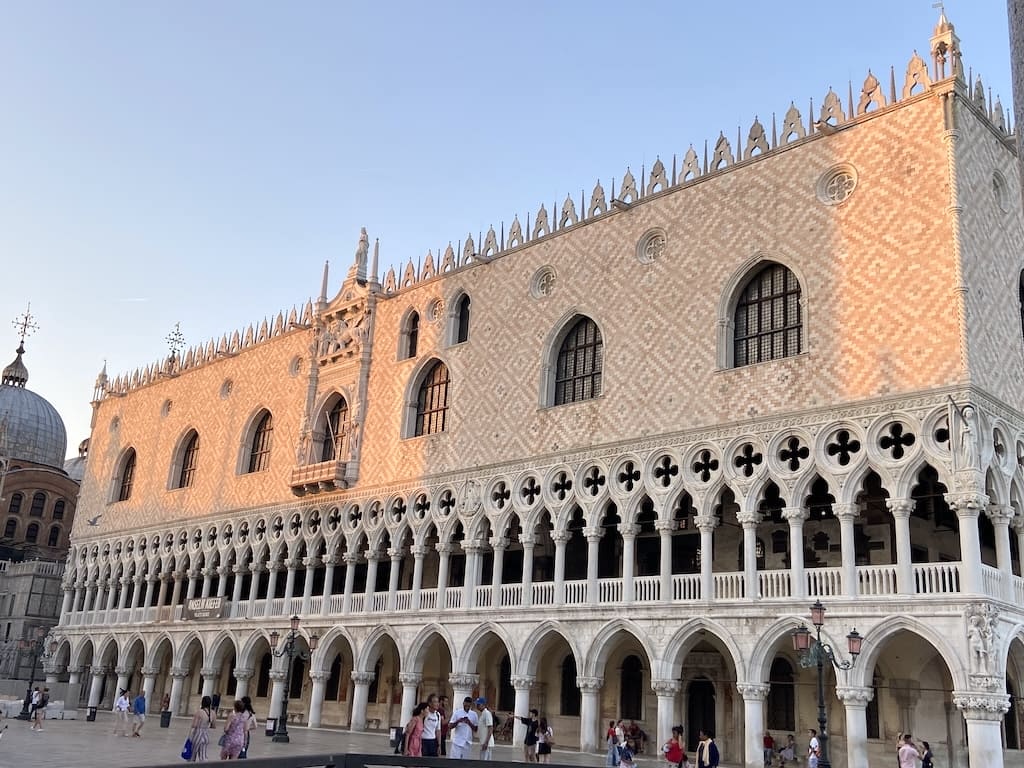
It’s no secret — Venice is very popular, and its top landmarks attract large crowds.
To avoid long lines, I always recommend booking in advance for at least:
- St. Mark’s Basilica (☞ Check availability)
- Doge’s Palace (☞ Check availability)
These bookings are essential during high season — and also on weekends, even in low season.
- Shared gondola rides
Shared gondola rides are very popular because they offer an effortless way to experience this iconic Venetian activity — no planning needed, just sit back and enjoy the ride. - Guided tours of the historic center
These tend to sell out quickly, especially for tours in English.
Plan Your Airport Transfer in Advance
Don’t waste time when you arrive — plan your transfer to Venice ahead of time.
Lines at ticket counters can get long in the arrivals area, and it’s easy to lose 30 minutes or more.
Booking in advance helps you save time and avoid any stress.
There are several ways to get from Venice Marco Polo Airport to the city:
▶︎ ATVO buses
These buses run from the airport to Piazzale Roma, the main gateway to Venice.
They’re fast and affordable, taking around 20 minutes.
From there, you can walk to your hotel or take a vaporetto (water bus) to get closer.
→ Check availability
▶︎ Alilaguna boats
These water buses connect the airport directly to Venice.
They serve multiple stops across the city, making it easy to get close to your hotel without changing transport.
→ Check availability
▶︎ Shared water taxis
A more intimate and comfortable option than public transport.
You’ll board a small boat at the airport with just a few other passengers.
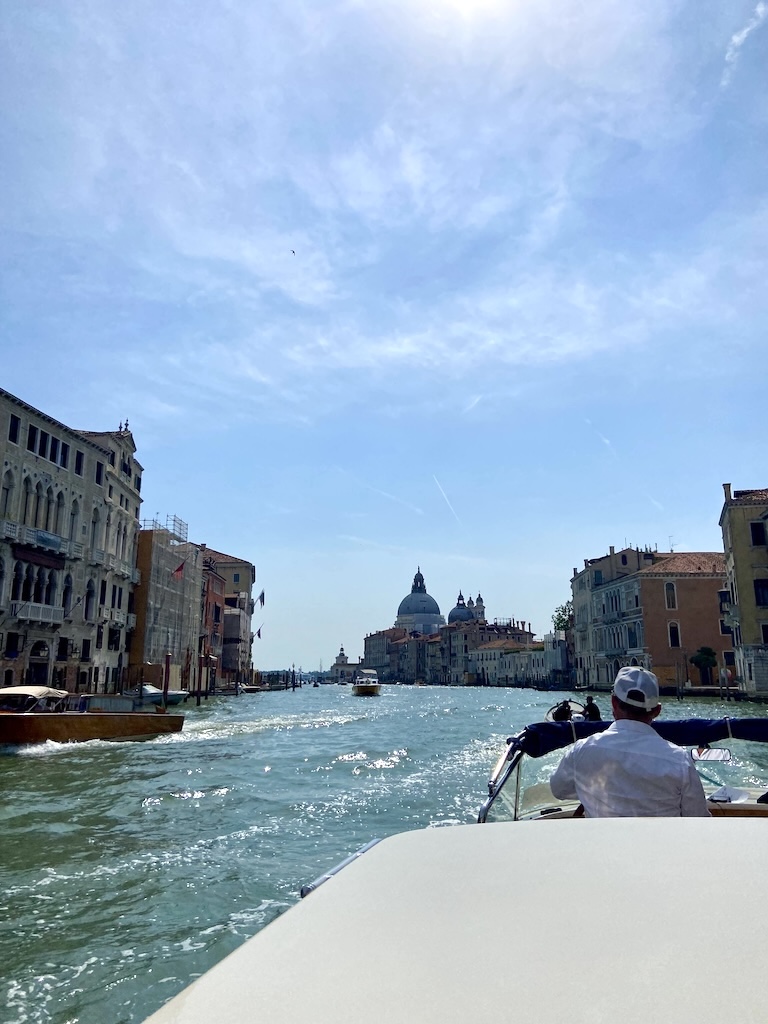
This is actually my favorite way to arrive in Venice. Arriving through the canals (and sometimes the Grand Canal) is simply unforgettable.
The driver will drop each passenger as close as possible to their hotel.
And the later you’re dropped off, the longer you get to enjoy the ride.
→ Check availability
▶︎ Private water taxi
The most luxurious option.
The perfect way to arrive in Venice like a local — or at least, like a VIP.
→ Check availability
Getting Around Venice
Let’s be honest — you’re going to walk a lot in Venice.
Probably more than you expect.
I’ve personally walked over 12 miles (20 km) in a single day more than once.
On average, you’ll easily cover 6 to 9 miles per day (10 to 15 km).
So comfortable shoes are a must, no matter the season.
That said, sometimes it’s nice to slow down.
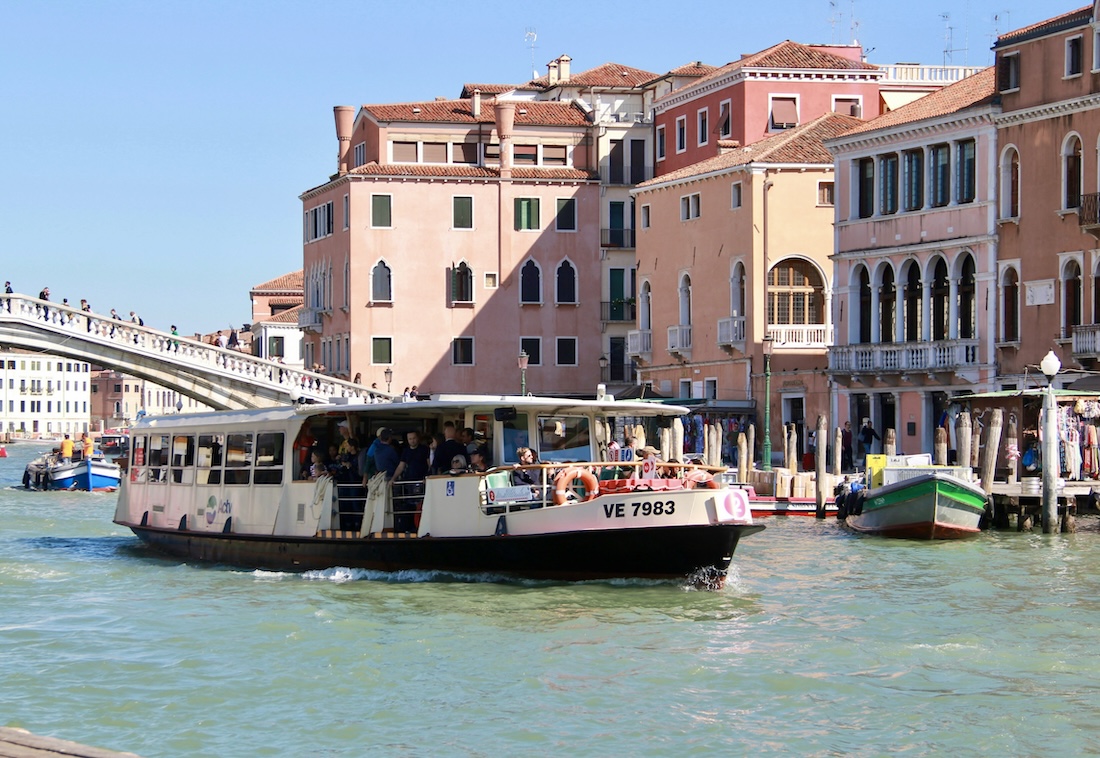
Or simply enjoy one of the best parts of Venice… getting around by boat.
・The Vaporetto (water bus)
These public boats run all across the city and the lagoon, connecting Venice to its different neighborhoods — and even to nearby islands.
They’re very practical, but also part of the experience.
Lines 1 and 2, which run along the Grand Canal, are especially beautiful.
It’s actually one of the best ways to discover the canal and admire the stunning palaces along the way.
Don’t miss it — both during the day and at night.
⚠️ A quick note about prices
Single tickets can be surprisingly expensive — around €10 for one ride.
If you plan to use the vaporetto more than once or twice, it’s definitely worth getting an unlimited pass.
These passes are available from 1 to 7 days, with better value the longer you stay.
You can also buy them in advance to save time when you arrive.
Don’t Limit Yourself to the Main Attractions
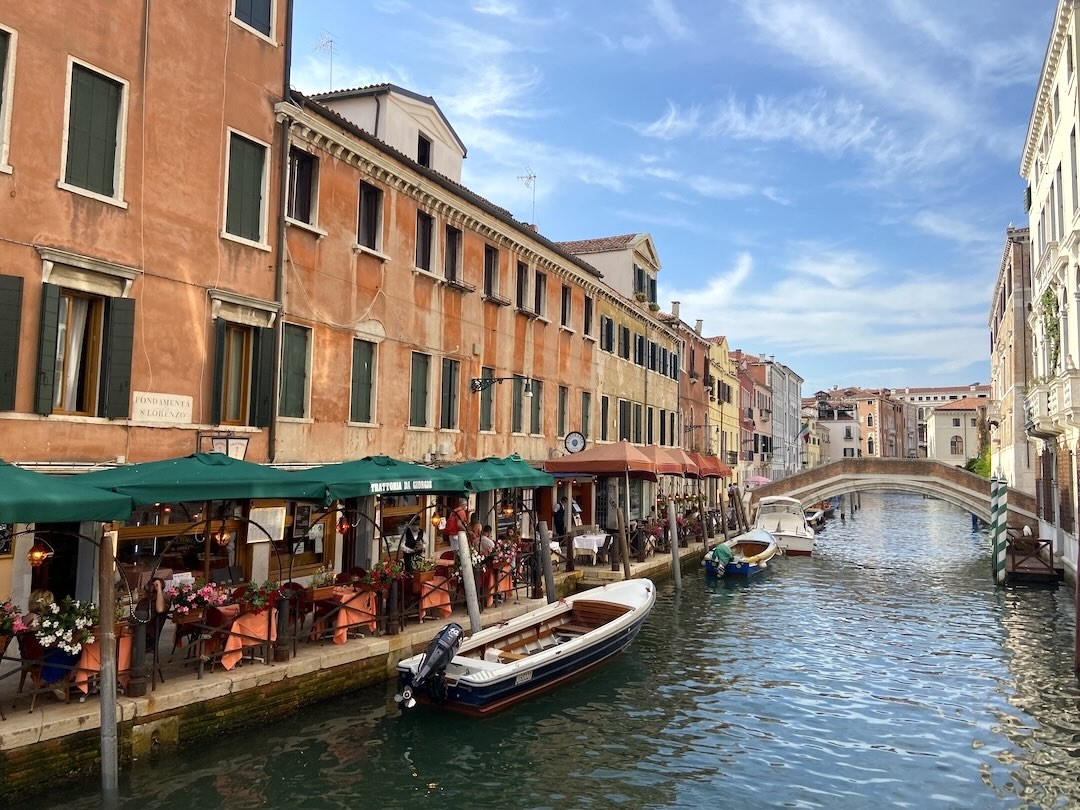
We all know Venice for its famous landmarks.
But the real magic happens when you simply wander around.
Don’t stay only in San Marco or around the main sights. There’s so much more to discover in the other neighborhoods.
Churches, quiet squares, canals, hidden palaces… This is where you’ll see everyday life — and feel the true charm of Venice.
Each neighborhood has its own atmosphere:
- Cannaregio feels more local and modern.
You’ll find shops, wider streets, and plenty of bars and restaurants along the canals. - San Polo is lively and full of energy, especially near the Rialto Market.
It’s also rich in history and culture. - Dorsoduro is the artistic side of Venice.
Think galleries, museums, and a more laid-back, student vibe. - Castello is quieter and more residential.
You’ll also find more green spaces here, including the beautiful Biennale Gardens.
Plan Your Restaurants in Advance
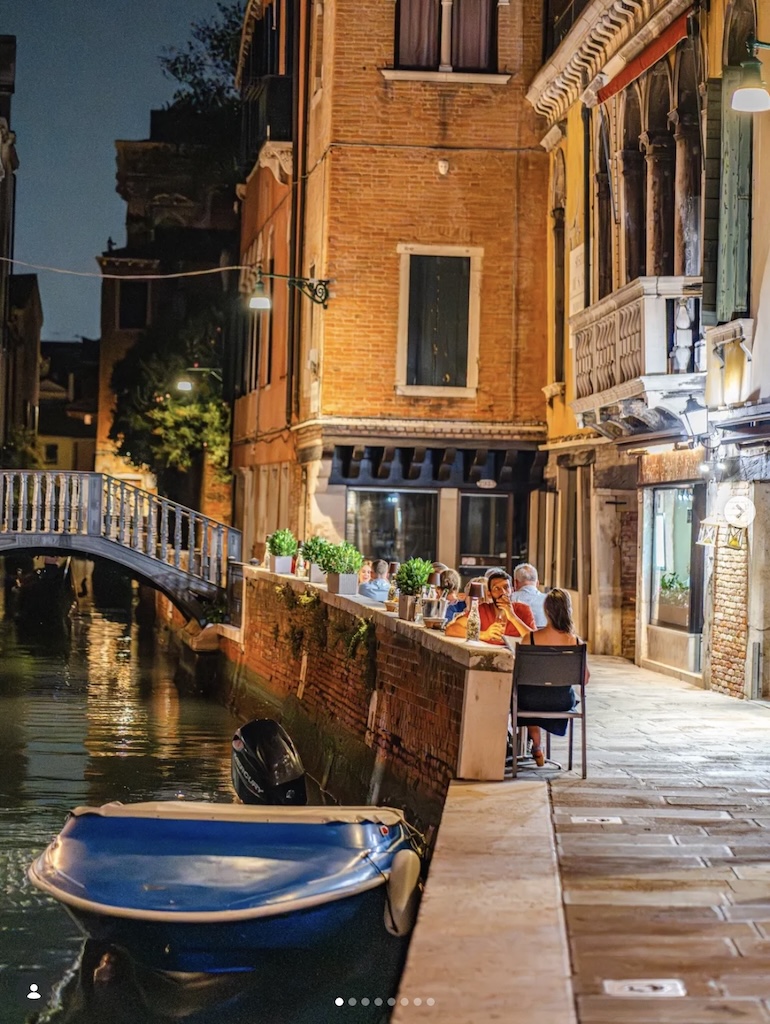
Venice is an incredible place to eat — and it would be a shame to miss out.
To avoid tourist traps and disappointing meals, take a bit of time before your trip to spot the places that are truly worth it.
Make a list of the restaurants you’d really like to try.
To help you get started, you can check out my dedicated guide: My favorite restaurants in Venice
A selection of 8 carefully chosen spots — simply put, my 8 favorite places to eat in Venice!
_______
And that’s it!
I hope these tips will help you plan your trip to Venice in the best way.
If you have any questions, feel free to ask in the comments 🙂
One Last Word: This article is an English adaptation of an original French post published on passion-venise.fr
It is the result of many hours of work. If you found it useful, you can support my work by using the booking links included in this article. Some of them are affiliate links, which means I may earn a small commission — at no extra cost to you. This helps me continue creating 100% independent and free content. Thank you so much for your support ♥︎