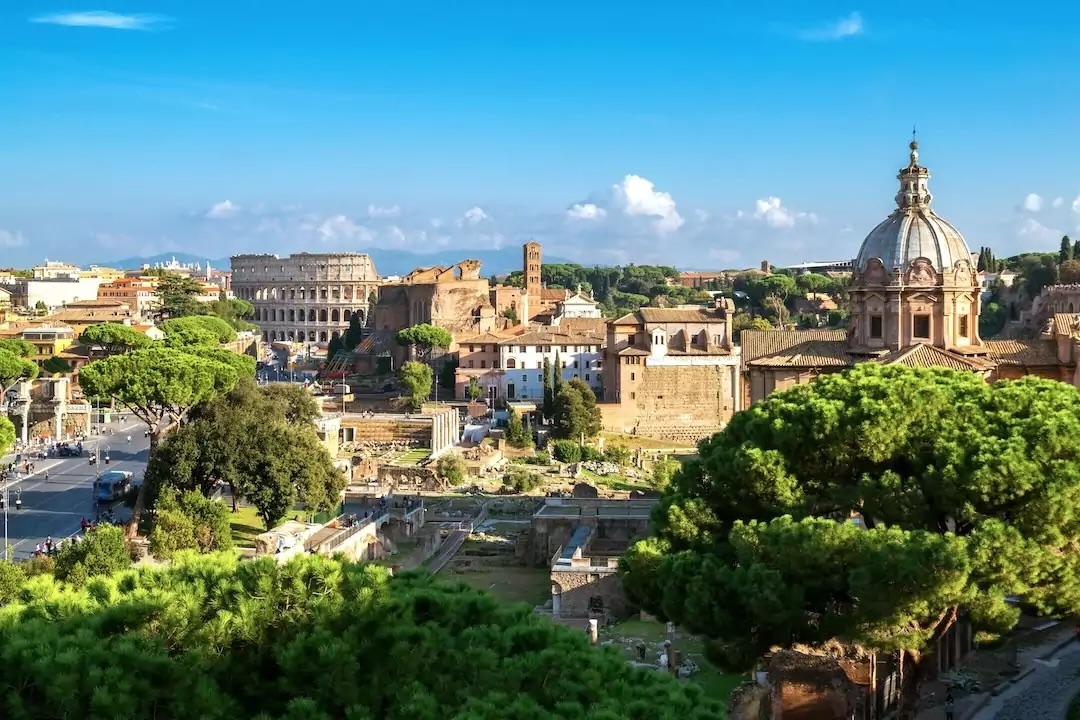
Rome is one of those cities where you could spend weeks exploring and still leave with a long list of places you did not have time to see. There is SO much to see, so planning a first trip to Rome can quickly become overwhelming.
I still remember organizing my very first trip to the Italian capital and spending hours trying to choose which places were truly worth it.
Since then, I have been lucky enough to return to Rome several times, and I finally decided to put together this guide to the best things to do in Rome for a first visit.
If you are currently planning your trip and wondering where to start, this article will help you build a realistic and enjoyable itinerary with the city’s main highlights.
Table of Contents
The 10 best things to do in Rome
Here are the main landmarks and experiences I would personally recommend focusing on to discover the city for the very first time.
• Visit the Colosseum, an Incredible Relic of the Roman Empire
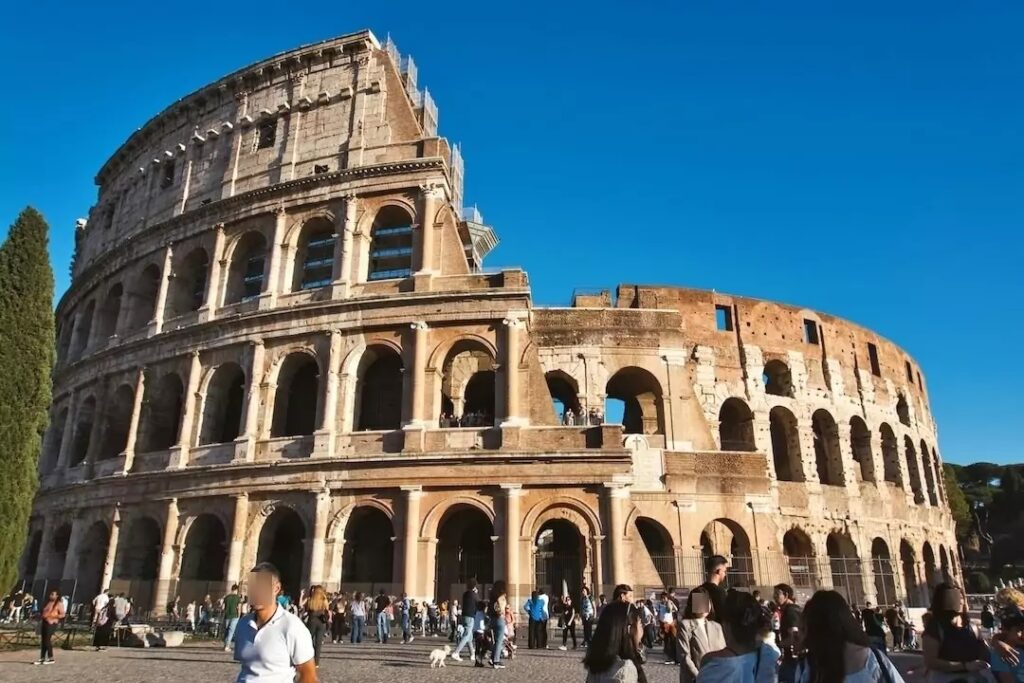
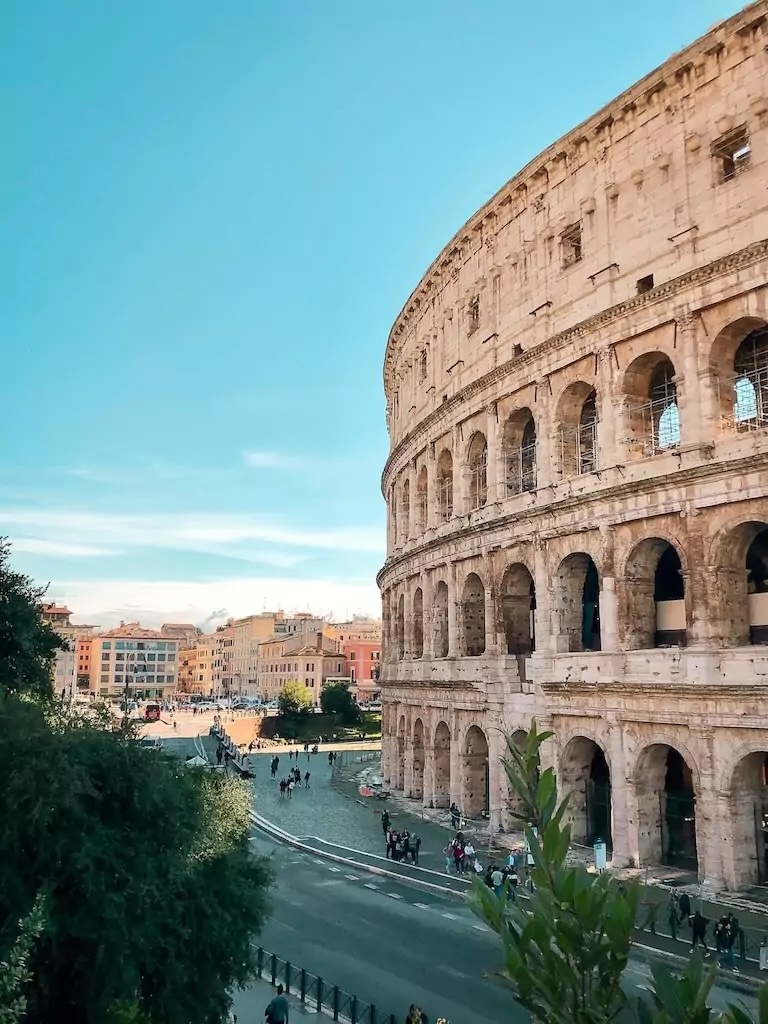
You simply can’t visit Rome without stepping inside the Colosseum (and not just admiring it from outside!).
Built between 72 and 80 AD, the Colosseum is the largest amphitheater ever constructed during the Roman Empire.
At its peak, it could hold between 50,000 and 80,000 spectators, who came to watch gladiator fights and spectacular animal hunts.
Today, it remains one of the absolute must-see sights in Rome — and a place that truly makes you feel like you’ve traveled back in time.
☞ Practical information for visiting the Colosseum:
Several ticket options are available depending on which parts of the Colosseum you want to visit.
But one thing is important to know right away: getting tickets through the official website can be surprisingly difficult.
Reservations open only one month in advance and often sell out extremely quickly.
For convenience, I personally prefer booking through platforms like GetYourGuide, especially during busy seasons.
You can book standard entrance tickets or guided tours (available in English and several other languages).
→ Check availability for the Colosseum
💡 My tip:
Don’t miss the Colosseum Arena! It’s only accessible with specific tickets, but the experience is absolutely worth it.
Standing exactly where gladiators fought 2,000 years ago is something truly unforgettable.
☞ Want to learn more?
Check out my full guide: Everything You Need to Know to Visit the Colosseum in Rome
⚠️ And after your visit, don’t skip the Roman Forum and Palatine Hill, located right next to the Colosseum.
These are the two other major archaeological sites of Ancient Rome, and access is often included with Colosseum tickets
(make sure to check your ticket details!).
• See the Stunning Trevi Fountain
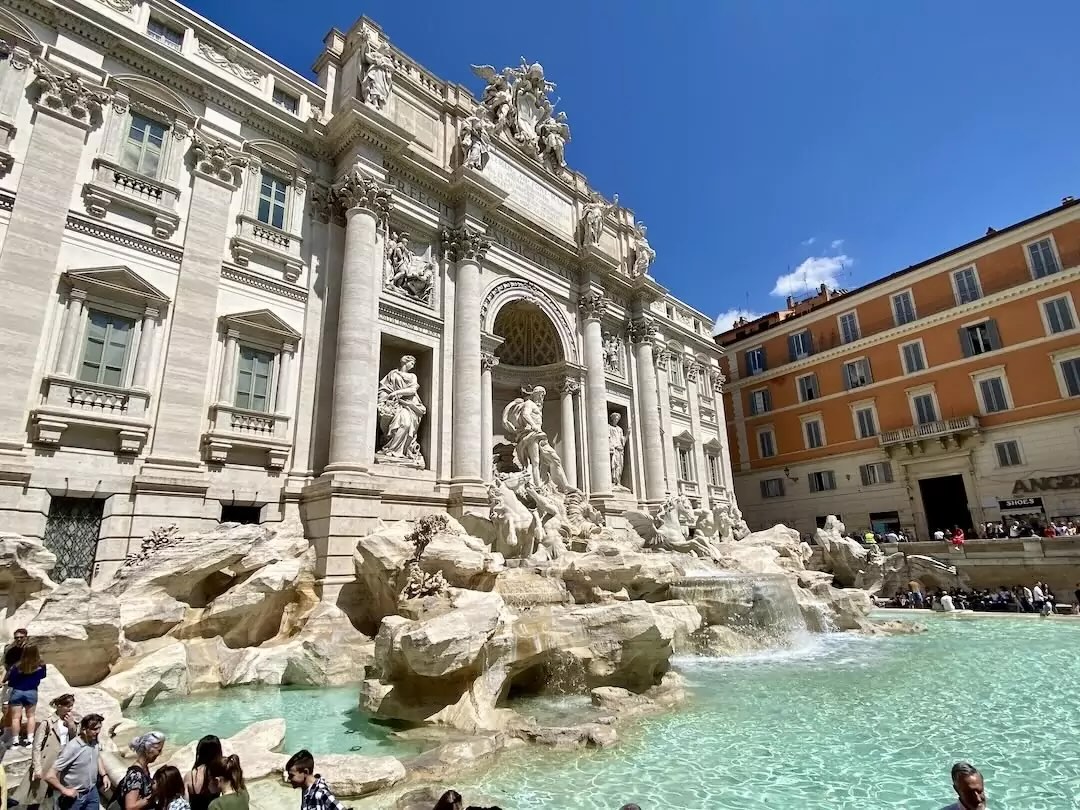
We’ve all seen it hundreds of times before coming to Rome… and yet, it’s even more impressive in real life.
With its turquoise water and spectacular sculpted façade,
it’s exactly the kind of Roman postcard you imagine before your trip.
Built between 1732 and 1762 at the request of Pope Clement XII, it remains one of the largest and most famous fountains in the city.
☞ Practical information for visiting the Trevi Fountain:
Like all of Rome’s iconic landmarks, the fountain attracts huge crowds.
To improve access and limit overcrowding, visitors now need to purchase an entrance ticket (€2 per person) to access the fountain area between 9 AM and 10 PM, seven days a week.
💡 My tip:
Try to avoid the busiest hours by coming either:
- very early in the morning (before 9 AM — breakfast can wait!)
- or later at night, after 10 PM
Not only is access free outside these hours, but the experience is also much more enjoyable without the crowds.
• Step Inside the Pantheon, an Incredibly Well-Preserved Roman Temple
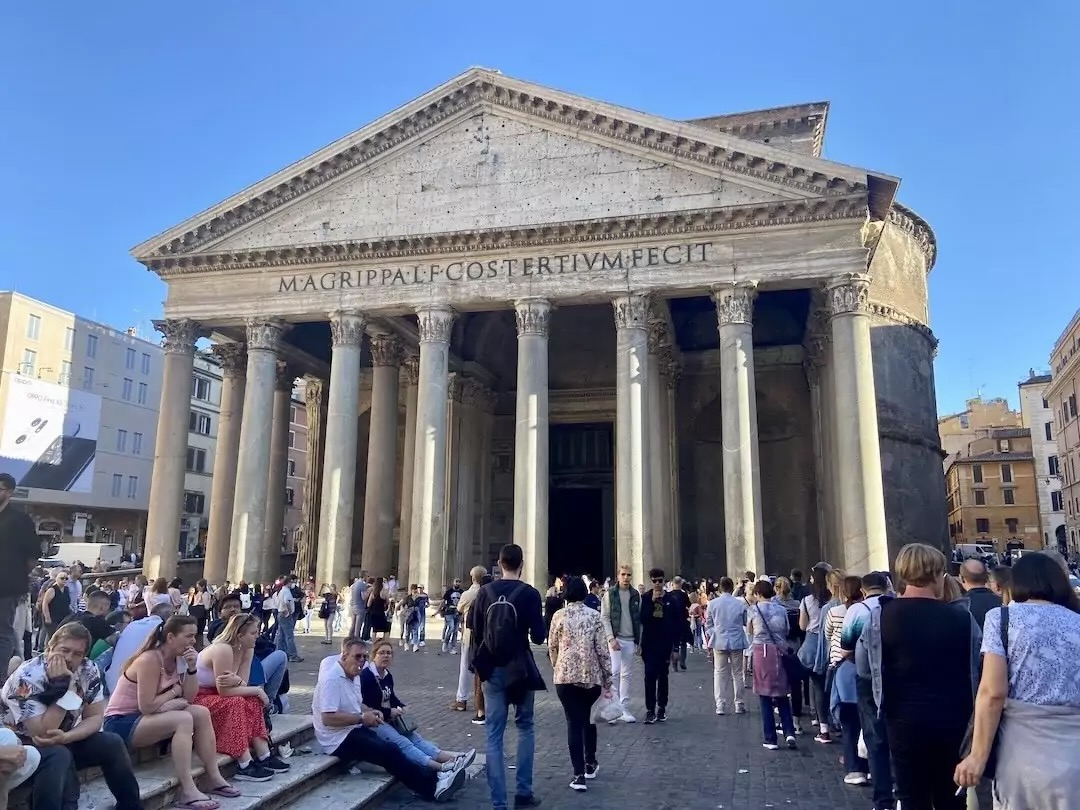
Is there any monument in Rome even more impressive than the Colosseum?
If there is, it might just be the Pantheon.
The building we see today comes almost directly from Ancient Rome.
It was first built in 27 BC, then completely rebuilt around 125 AD in the form we still admire today.
And what makes the Pantheon so extraordinary is that the interior is still remarkably intact.
Marble floors, marble walls… and of course, the famous dome — the largest of the ancient world.
A single massive structure, over 141 feet (43 meters) wide. A true masterpiece of Roman engineering.
☞ Practical information for visiting the Pantheon:
Like the Colosseum, the Pantheon attracts large crowds.
Without a reservation, waiting lines for the ticket office can become very long.
You basically have two options:
- wait in line and buy tickets on-site
- or book a skip-the-line ticket (usually combined with an excellent audio guide)
With the second option, you enter directly at your scheduled time.
💡 My tip:
Don’t hesitate to book a skip-the-line ticket.
The time saved is absolutely worth it — and the audio guide is genuinely interesting.
Just make sure to arrive on time: entry is only allowed at the exact time shown on your ticket.
• Visit the Vatican Museums and the Sistine Chapel
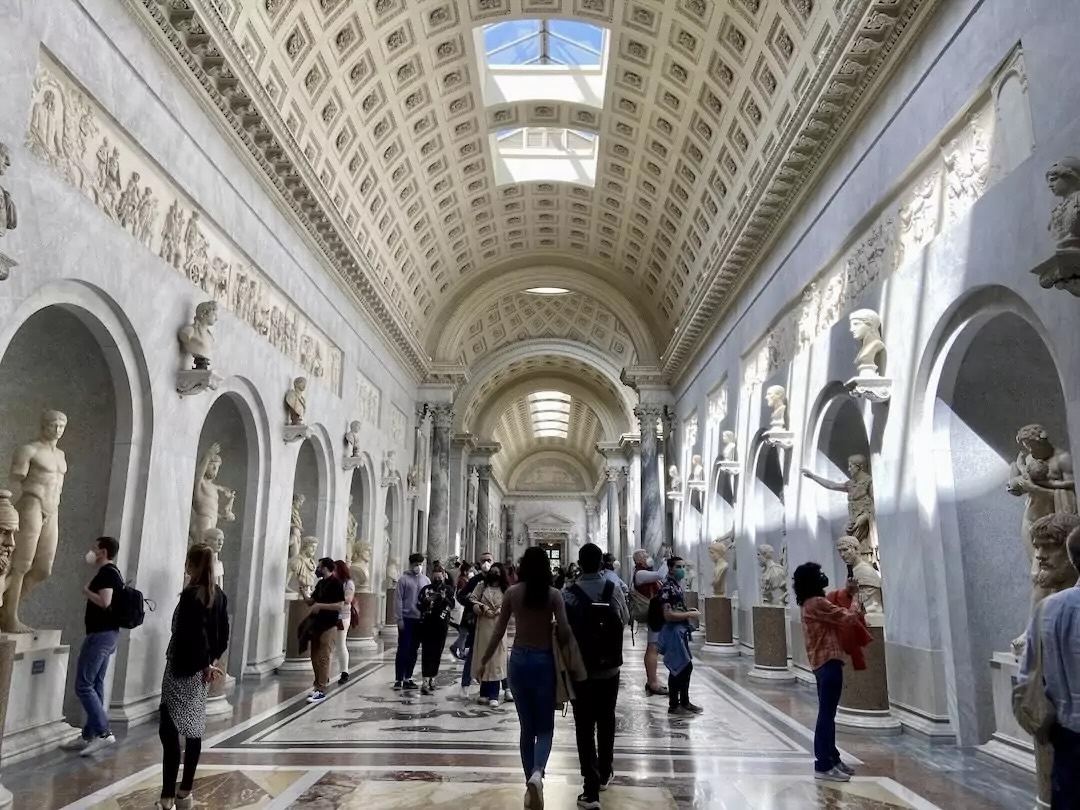
If you only visit one museum in Rome, make it this one.
The Vatican Museums are quite simply among the largest and most impressive museums in the world.
More than 4.3 miles (7 kilometers) of galleries, around 1,400 rooms and over 6.5 million visitors every year.
More than just a museum, it feels like a journey through some of the greatest artistic achievements in human history.
Of course, seeing everything in one visit is impossible. The museum is simply too vast.
So it’s best to focus on the sections that interest you the most:
- Egyptian antiquities
- Roman antiquities
- Etruscan collections
- Modern and contemporary art
… and much more.
The museum is also home to the world-famous Sistine Chapel, Michelangelo’s masterpiece, where papal conclaves still take place today.
☞ Practical information for visiting the Vatican Museums:

It’s hard to imagine how crowded the museum can get until you see it for yourself.
Booking tickets in advance is absolutely essential if you want to guarantee entry on your chosen day.
Once inside, expect your visit to last anywhere from 3 to 5 hours, depending on what you want to see.
💡 My tip:
Plan ahead and book skip-the-line tickets in advance.
And before your visit, make a shortlist of the collections and sections you most want to explore.
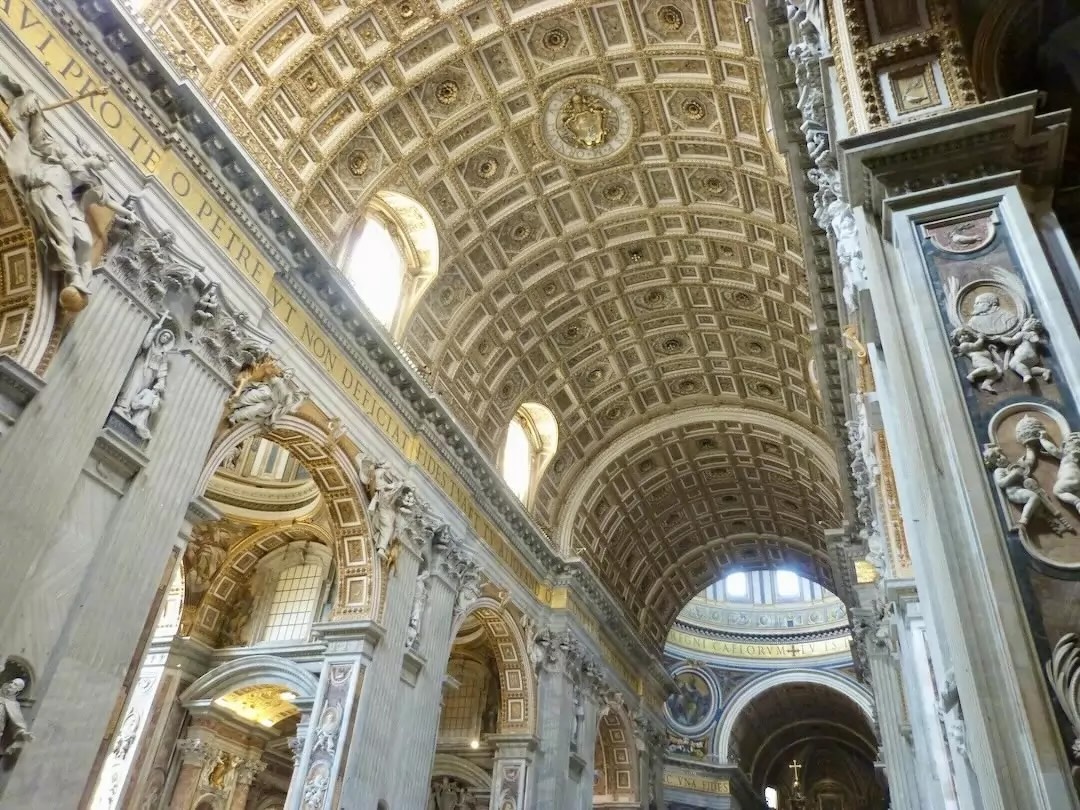
• Visit St. Peter’s Basilica and St. Peter’s Square
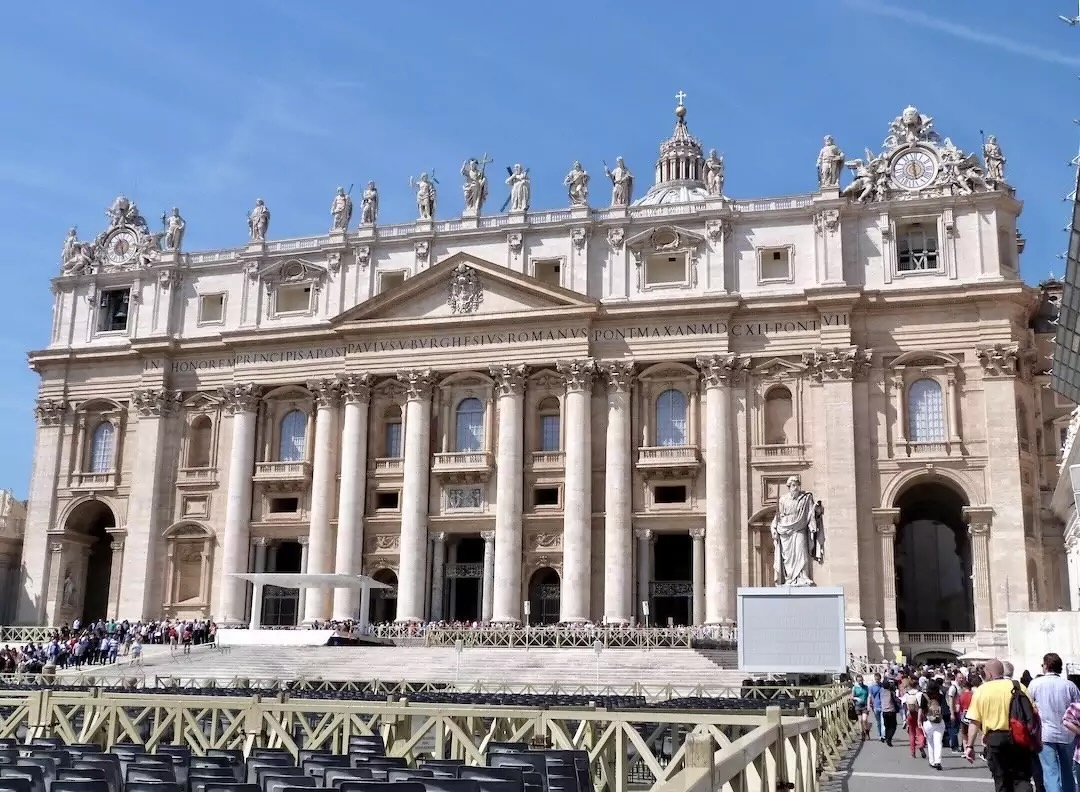
Another landmark that ranks among the most famous in Italy — and even in the world — is St. Peter’s Basilica.
With its immense dimensions, it is one of the largest churches on Earth and the most important religious building in the Catholic world.
And the interior is just as breathtaking.
Marble, gold details, masterpieces of art everywhere…
Whether you’re religious or not, it’s an extraordinary place to experience.
Right in front of the basilica lies the vast St. Peter’s Square, surrounded by its famous colonnades.
This is also where the Pope’s Sunday Angelus takes place.
Every Sunday at noon (when the Pope is in Rome), he appears at the window of his apartments for a short prayer and message to the crowd. So if you’d like to catch a glimpse of the Pope during your trip, this is the place to be.
☞ Practical information for visiting St. Peter’s Basilica:
Once again, crowds here can be very intense.
Without a ticket, it’s not unusual to wait between one and two hours in St. Peter’s Square before entering the basilica.
💡 My tip:
Skip-the-line tickets are once again a huge time saver.
They allow you to enter the basilica at a scheduled time, and you can also choose to include access to the dome.
It’s a great way to escape some of the crowds while enjoying spectacular panoramic views over St. Peter’s Square.
☞ Good to know:
For the main Vatican landmarks (the Museums, Sistine Chapel, and Basilica), you can also join small-group guided tours.
They usually include fast-track access and focus only on the main highlights — perfect if you don’t want to spend an entire day at the Vatican.
Depending on the option chosen, tours generally last between 2 and 3 hours.
• Admire Rome’s Most Beautiful Squares
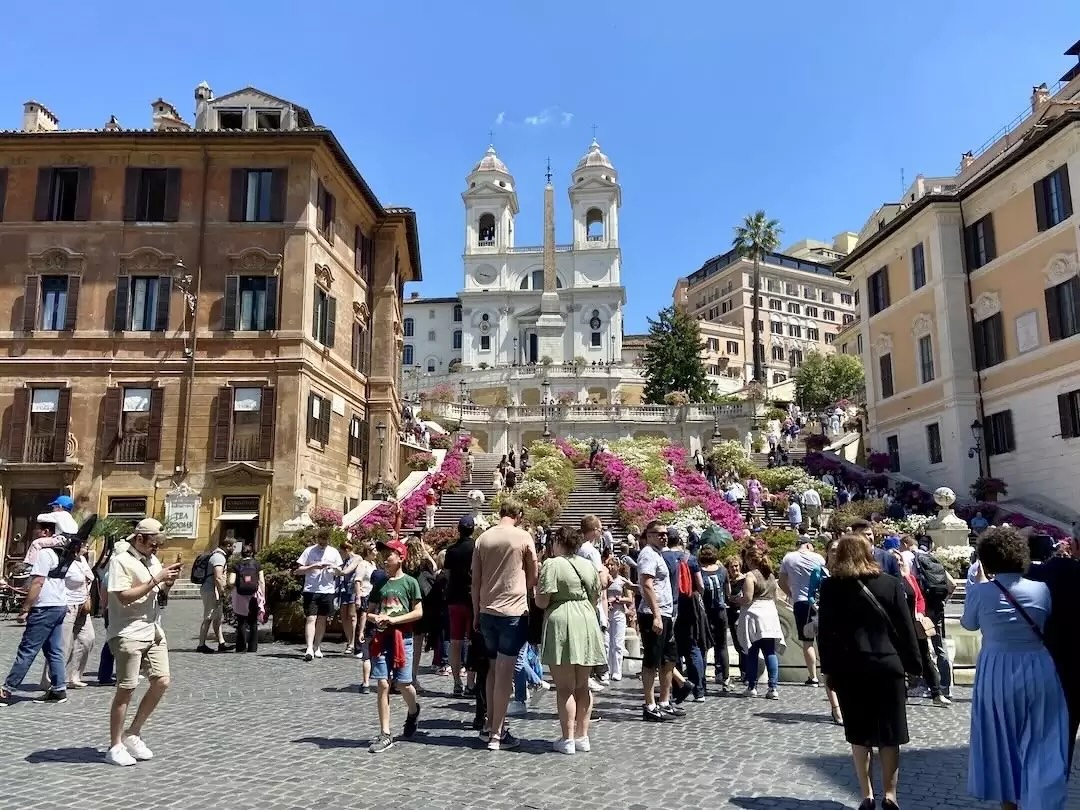
Rome is an incredibly beautiful and photogenic city.
Take time to wander through its charming streets and discover its magnificent piazzas — they’re a huge part of the city’s magic.
Here are a few you definitely shouldn’t miss:
- Piazza Navona: Probably the most beautiful square in Rome, famous for its monumental fountains and lively street artists.
- Piazza di Spagna: Best known for its iconic Spanish Steps, covered with blooming azaleas in April and May — but beautiful all year round.
- Campo de’ Fiori: A lively and sunny square filled with restaurants and local life, with a small market every morning.
- Piazza Venezia: Home to one of the city’s most impressive landmarks: the Victor Emmanuel II Monument, also known as the Vittoriano.
• Enjoy Panoramic Views from the Vittoriano
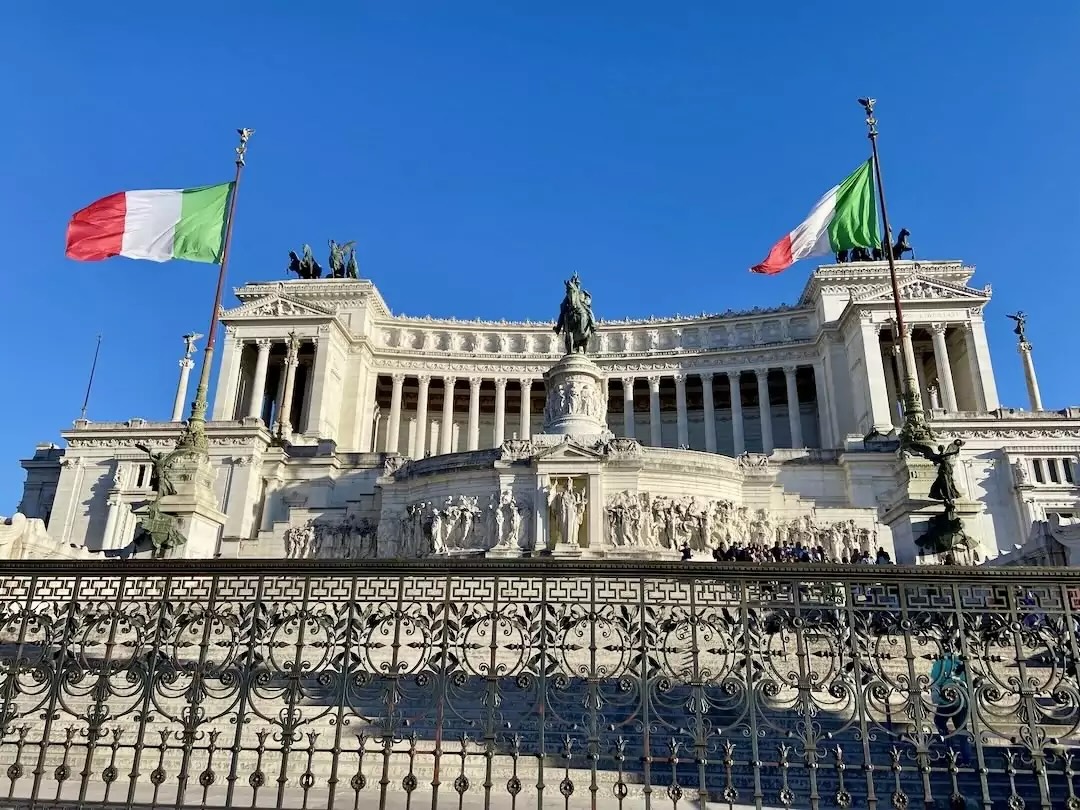
Let’s stay around Piazza Venezia for an activity that’s both enjoyable and… free!
Did you know you can climb the endless staircases of this massive monumentto enjoy incredible panoramic views over Rome?
From the top, you can admire both:
- the Colosseum and the ancient ruins
- and the modern side of the city stretching into the distance
And if you need a little break after the climb, there’s even a café at the top.
Perfect for a coffee or a refreshing drink with one of the best views in Rome.
• Take a Guided Tour Through Rome’s Historic Center
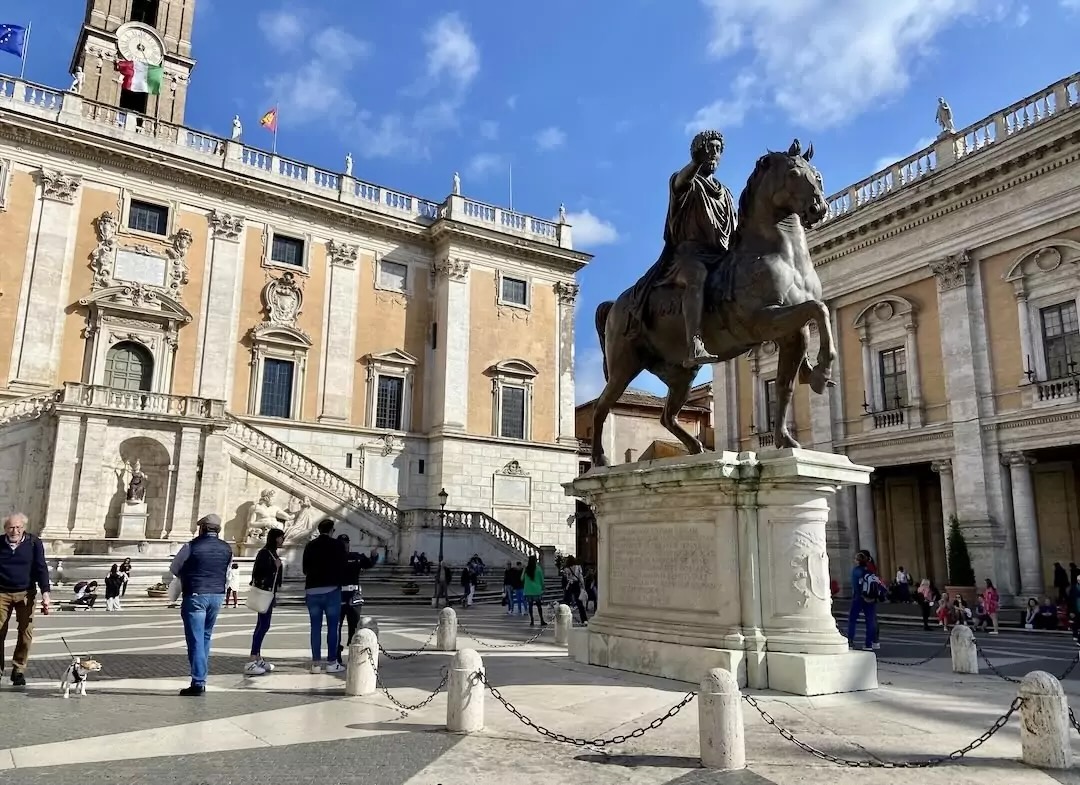
Rome’s history is simply too rich not to explore it a little more deeply.
Every street corner in the historic center seems to hide a story, a legend, or a surprising detail.
Here, a giant sculpted foot with the rest of the statue long gone.
There, an ancient Roman colonnade seamlessly built into a modern building.
Once a guide starts explaining what used to stand there, you begin to see the city in a completely different way.
Guided tours are also a great opportunity to ask questions, exchange with passionate local guides, and truly connect with the places you’re visiting.
→ Check availability for guided tours
• Try Rome’s Best Local Food
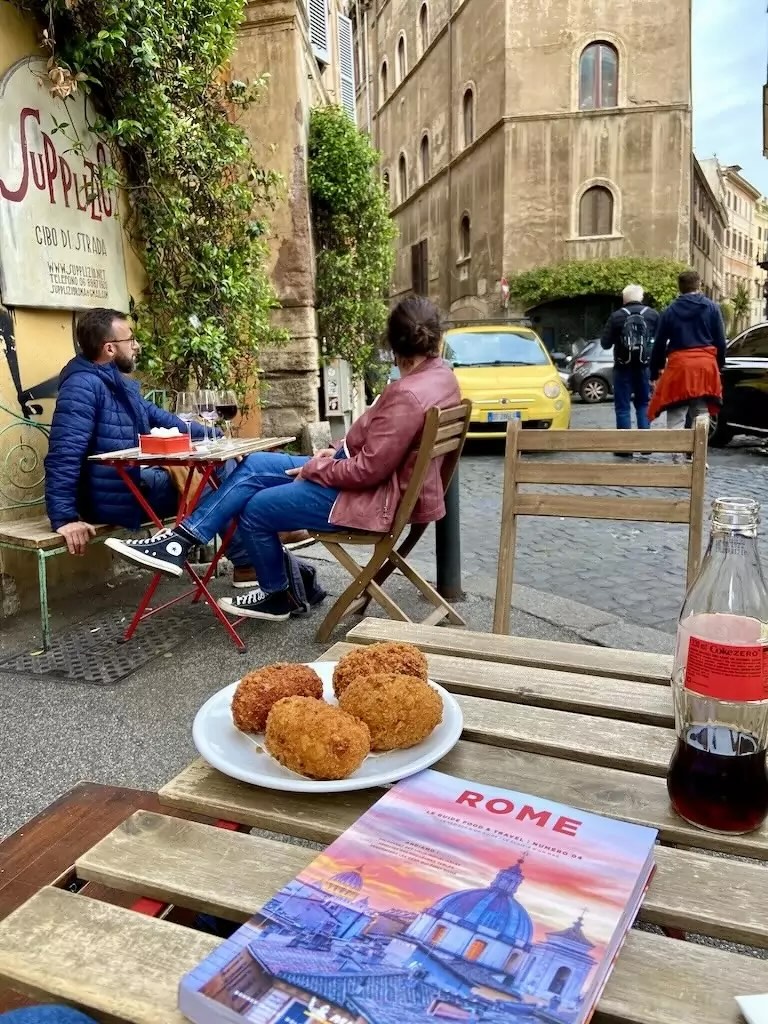
Because great food is one of the best parts of a trip to Rome.
And yes — Italy never disappoints when it comes to food.
Rome included.
Here’s a small selection of some of my favorite places in the Eternal City, for both sweet and savory cravings:
- La Nuova Piazzetta: Just steps from the Colosseum, a well-known spot among both visitors and locals for its excellent pasta dishes.
- Supplizio: A must for aperitivo.
Delicious fried rice balls filled with melted cheese… best enjoyed with a spritz, of course. - Ristorante Pizza Forum: One of the best pizzas I’ve had in Rome.
Special mention for the outdoor tables, where you can enjoy a glimpse of the Colosseum while eating. - Al 42: A tiny place that describes itself as “gourmet street food.”
Excellent homemade dishes to enjoy at the counter or take away. - Grano la cucina di Traiano: Pizza, sandwiches, and pasta to go — perfect for a quick meal near the Imperial Forums.
Best enjoyed from the nearby Magna Napoli staircase. - Mr. 100 Tiramisù: An endless variety of tiramisu flavors, each more indulgent than the last.
- Giolitti: My favorite gelato spot in Rome.
A true institution, open since 1890 (yes, really!).
• Escape into the Greenery of Villa Borghese Gardens
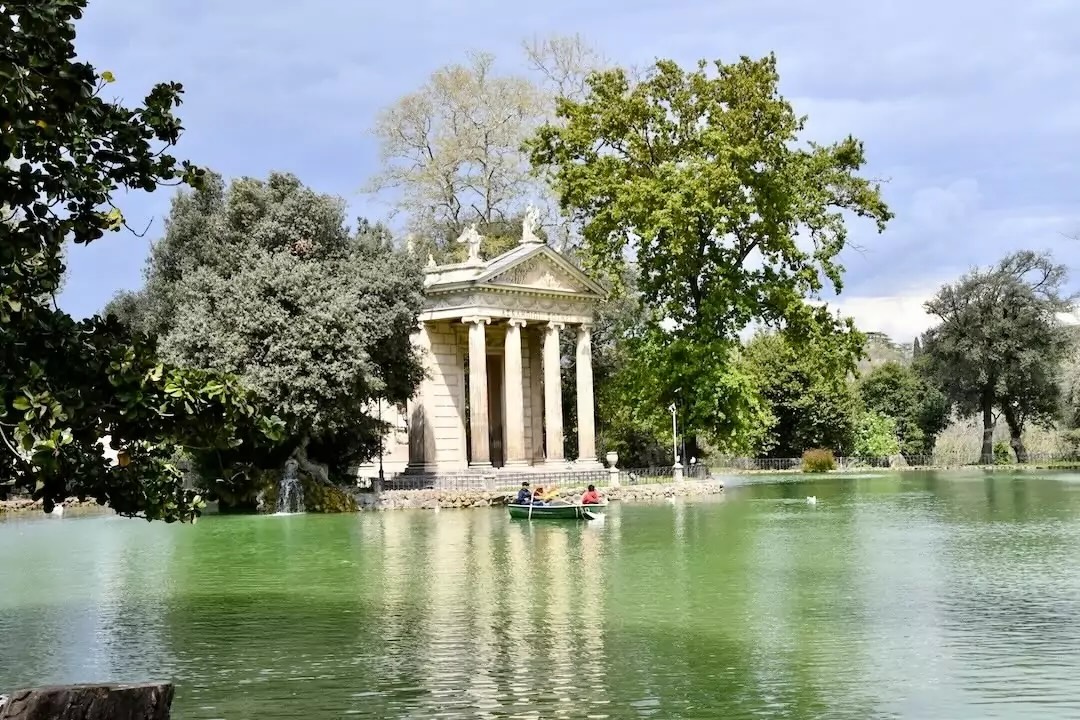
Sometimes, you just need a break from the crowds and the noise of Rome.
And Villa Borghese Gardens are the perfect place for that.
One of the most beautiful parks in the city, it’s a peaceful and refreshing escape right in the heart of Rome.
Originally designed in the 17th century for the powerful Borghese family, these former private gardens are now one of Rome’s largest public parks.
People come here to stroll beneath the pine trees,
enjoy the panoramic viewpoints (especially from the Pincio Terrace),
or simply slow down for a while.
You can also:
- rent bikes or pedal carts
- go rowing on the small lake
- admire the charming Temple of Aesculapius
- or enjoy a quiet picnic away from the busy streets
And if you love art, don’t miss the nearby Borghese Gallery.
This magnificent palace-turned-museum houses masterpieces by Bernini, Caravaggio, Raphael and much more…
☞ Practical information for visiting Villa Borghese:
The gardens are very easy to access from both Piazza di Spagna and Piazza del Popolo.
The park is free and open every day.
For the Borghese Gallery, reservations are mandatory and should always be made in advance.
(Visits are limited to 2 hours.)
What first-time visitors to Rome often underestimate
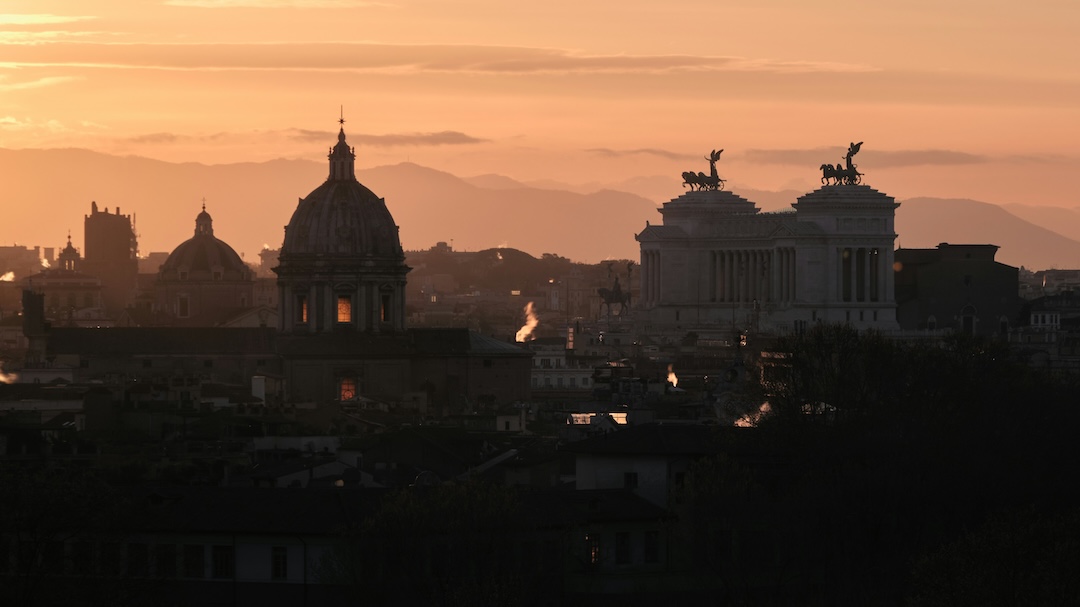
⚠️ One important thing though: do not try to “check off” every attraction in a single trip.
Rome is much bigger, busier and more exhausting than many first-time visitors expect.
Some of my favorite memories in Rome actually came from slowing down, wandering through quiet streets at sunset, stopping for a coffee on a terrace or simply enjoying the atmosphere of the city.
And honestly, that is also what makes Rome so special.
Another thing many first-time visitors underestimate is how much walking Rome involves. Even when attractions look close on a map, distances can feel surprisingly long once you add the crowds, the heat and the many little detours along the way.
Waiting times can also be much longer than expected, especially during peak season. If you are visiting Rome for the first time, booking major attractions in advance can honestly save your trip!
How many days do you really need in Rome?
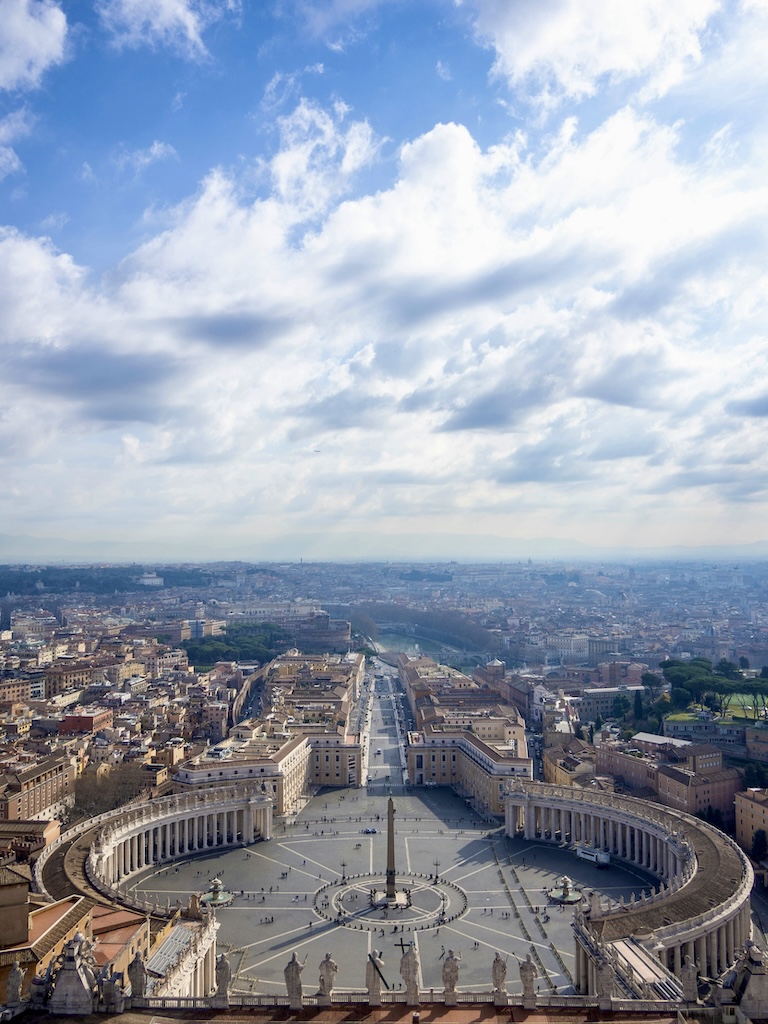
In my opinion, 5 days is the ideal minimum for a first trip to Rome if you really want to enjoy the city without constantly rushing from one attraction to another.
Rome is much bigger and more intense than many people expect, and trying to fit everything into a very short stay can quickly become exhausting.
If you only have 3 days in Rome, you will still be able to see the major highlights like the Colosseum, the Vatican, the Trevi Fountain or the Pantheon.
But the pace will feel much faster and more tiring.
Of course, the ideal length of stay also depends on your overall Italy itinerary.
If Rome is part of a larger trip including cities like Florence, Venice or Naples, then spending 3 days in Rome can already be a very good option for a first visit.
It gives you enough time to discover the city’s main highlights while keeping a more balanced pace throughout your trip in Italy.
Map of the best things to do in Rome
This map includes all the places mentioned in this article.
It will help you visualize where the main attractions are located and make it easier to plan your visits and get around the city.
_________
And that’s it! With this list, you now have a great starting point for planning your first trip to Rome and discovering the city’s main highlights.
If you still have any questions about the places or attractions mentioned in this guide, feel free to ask them in the comments. I will be happy to help, and your questions may also be useful for other travelers planning their trip to Rome 🙂
One Last Word: This article is an English adaptation of an original French post published on lauraenvoyage.fr
It is the result of many hours of work. If you found it useful, you can support my work by using the booking links included in this article. Some of them are affiliate links, which means I may earn a small commission — at no extra cost to you. This helps me continue creating 100% independent and free content. Thank you so much for your support ♥︎