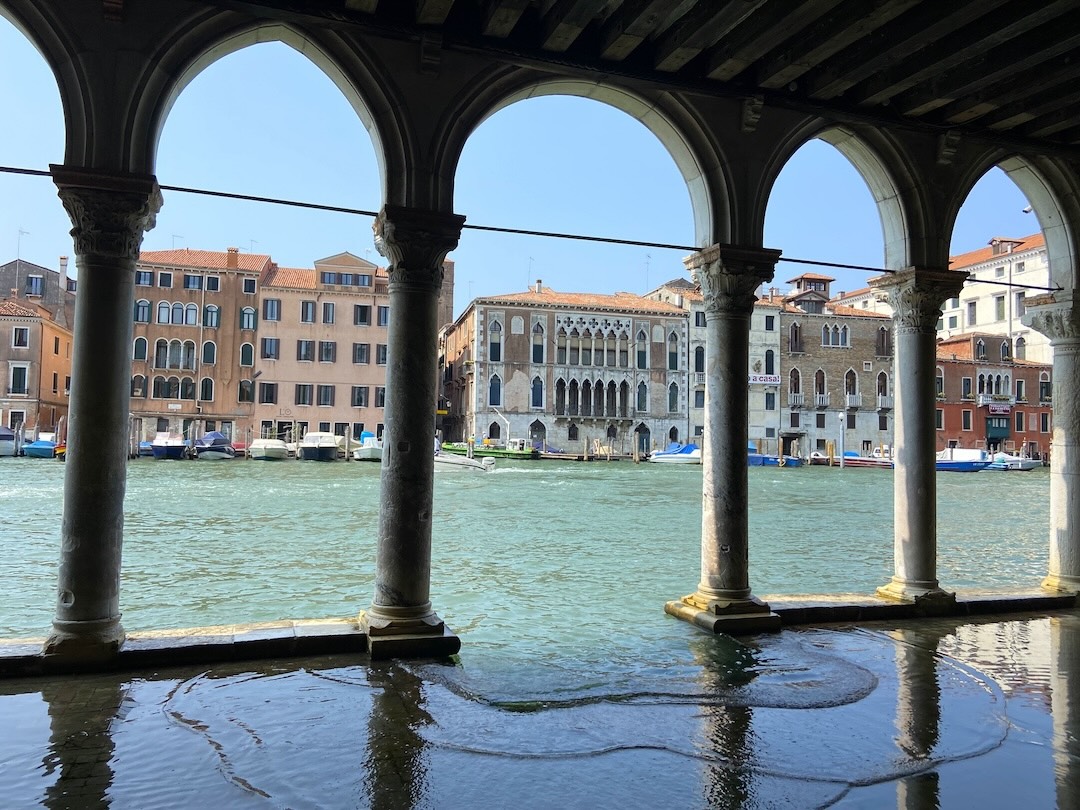
For a long time, acqua alta was one of the main concerns for travelers visiting Venice.
And honestly, it’s easy to understand why:
images of the city submerged under water were everywhere, and some flooding events caused significant damage.
But thankfully, the situation has changed a lot!
Since the launch of the MOSE system — the series of mobile barriers designed to protect the Venetian lagoon — major flooding events have become much rarer in Venice since 2020.
After more than 10 trips, both before and after this turning point, I’ve personally been able to see the real difference between the acqua alta of the past and what the situation looks like today.
So in this guide, I’d like to help you better understand how acqua alta works, when it can still happen, and how to plan your trip with peace of mind, even during acqua alta 🙂
☞ You should also read:
- The 10 Best Things To Do in Venice for Your First Trip
- How to Visit St. Mark’s Basilica in Venice Without Missing Anything
Table of Contents
What Is Acqua Alta in Venice?
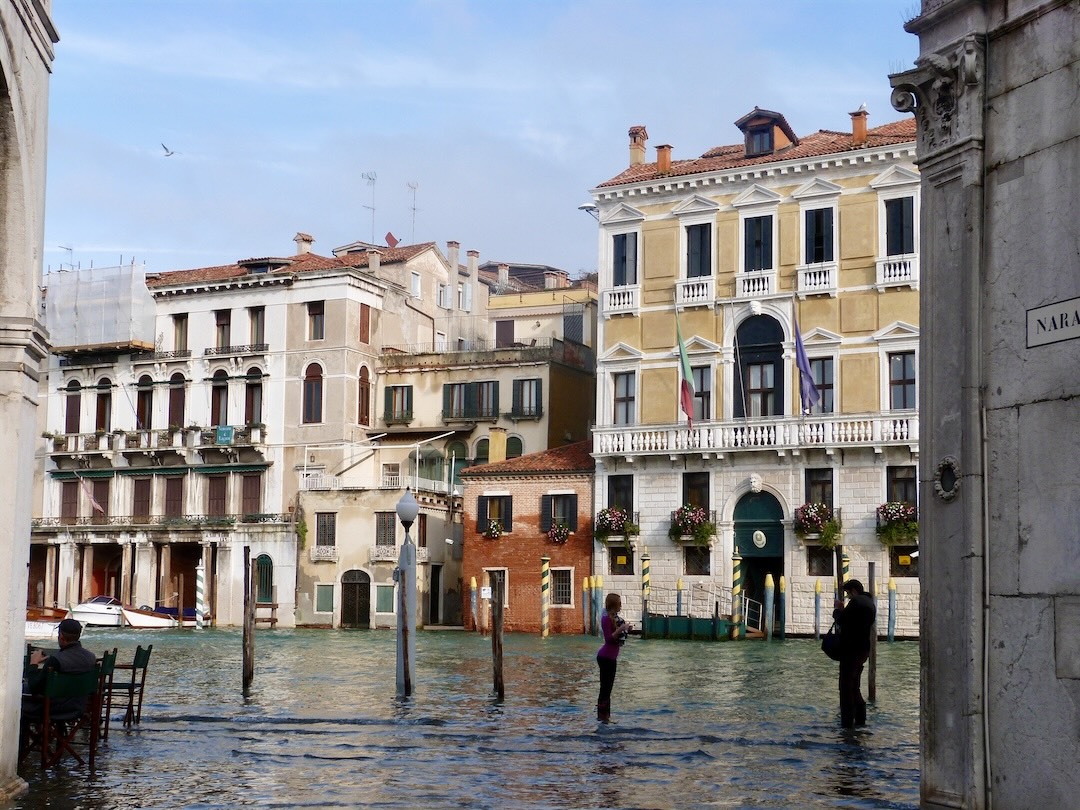
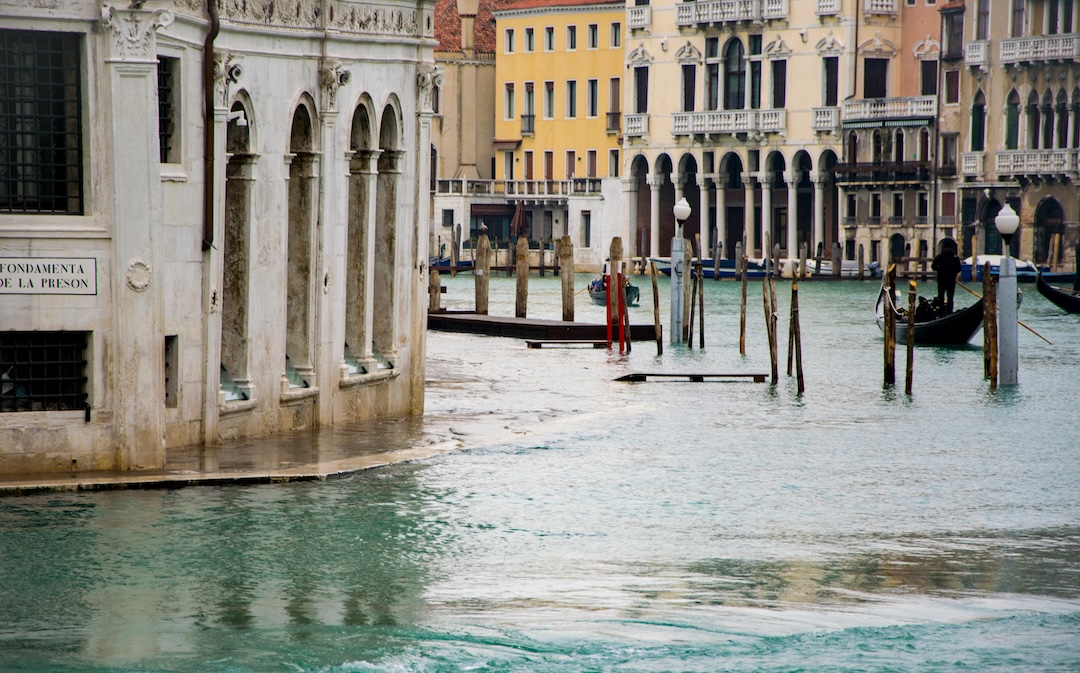
Acqua alta refers to exceptionally high tides that temporarily flood certain parts of Venice.
This phenomenon mainly occurs during autumn and winter, when several factors combine: tides, wind, atmospheric pressure, and weather conditions.
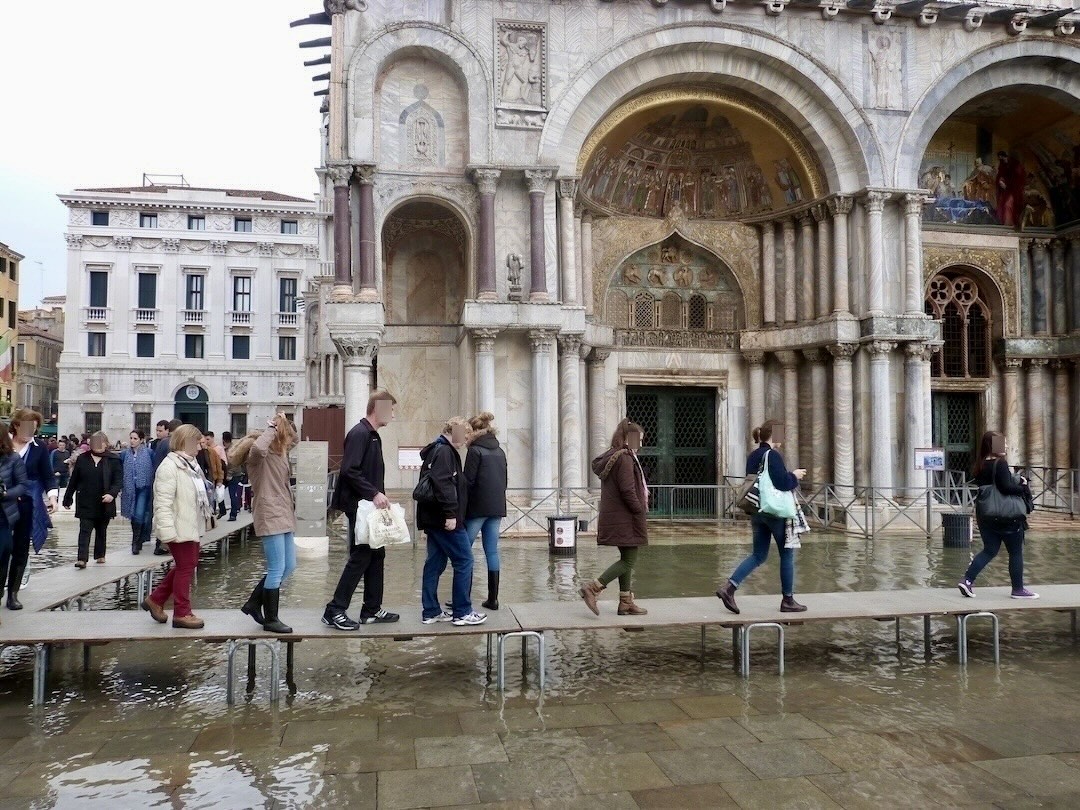
In practical terms, water from the lagoon rises into the city’s lowest areas — especially around St. Mark’s Square, which is usually the first area affected.
To help people move around, the city installs temporary raised walkways that can be assembled and removed from one day to the next.
These walkways allow pedestrians to continue circulating through flooded areas.
But contrary to what many people imagine, acqua alta does not usually turn the whole city into a giant “underwater Venice.”
In most cases, only certain areas are temporarily flooded before the water gradually recedes with the low tide.
Acqua Alta in Venice: Everything Travelers Need to Know
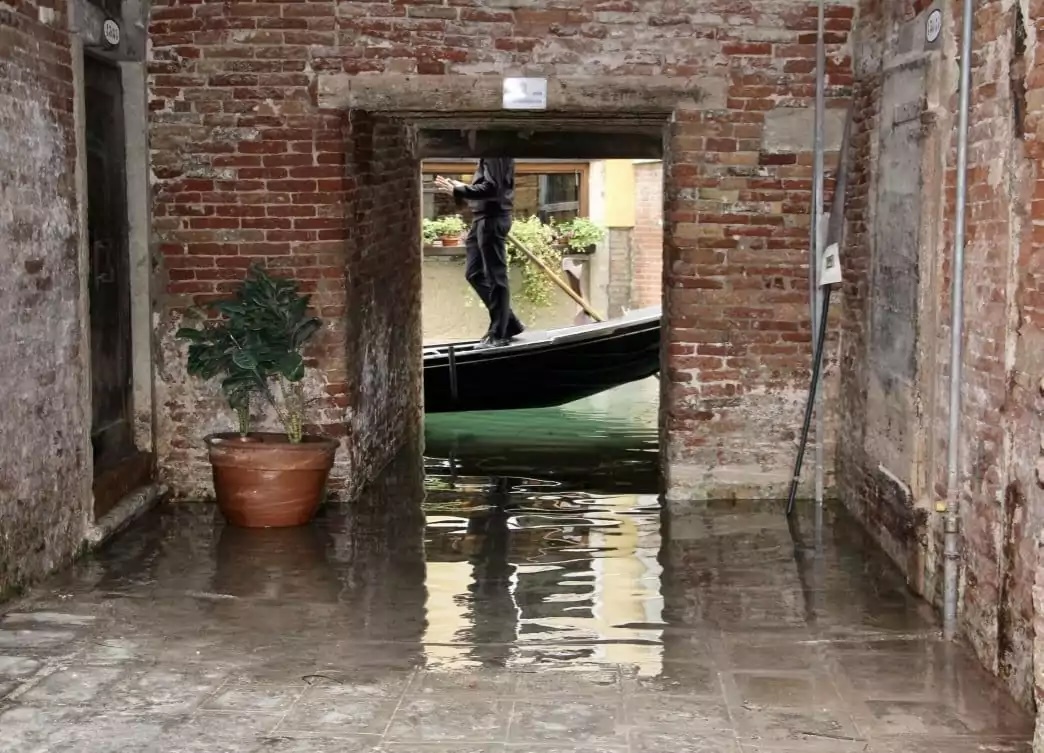
➜ Venice is NOT underwater all the time
One of the biggest misconceptions about Venice is that the city is constantly flooded.
In reality, acqua alta is a temporary phenomenon that only affects certain areas of the city for a few hours.
➜ Acqua alta does not affect the entire city
It’s important to know that acqua alta does not flood all of Venice.
The phenomenon mainly affects the city’s lowest areas, especially around St. Mark’s Square, while many other neighborhoods remain perfectly walkable.
➜ Small amounts of water
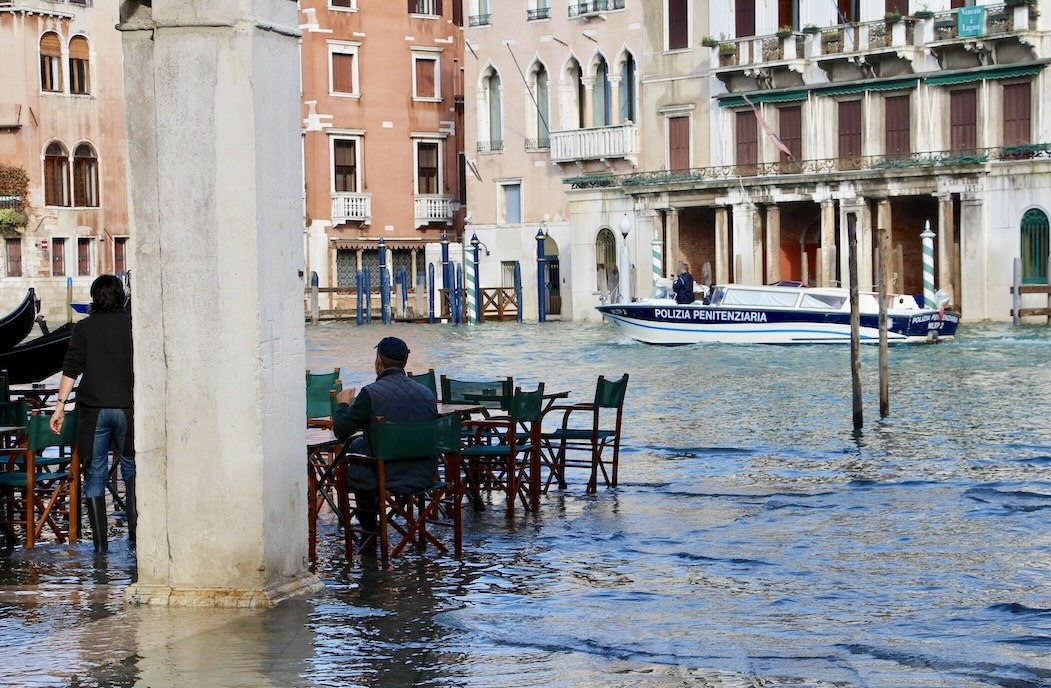
Most of the time, the flooding remains fairly limited — usually between 2 to 8 inches of water (5 to 20 centimeters).
➜ And perhaps most surprisingly… life in Venice doesn’t stop
People continue going to cafés, restaurants stay open, and locals simply adapt to the situation.
It was common to see Venetians walking through shallow water in boots, or enjoying a coffee with a few water beneath the tables.
Why Was Venice Frequently Flooded Before 2020?
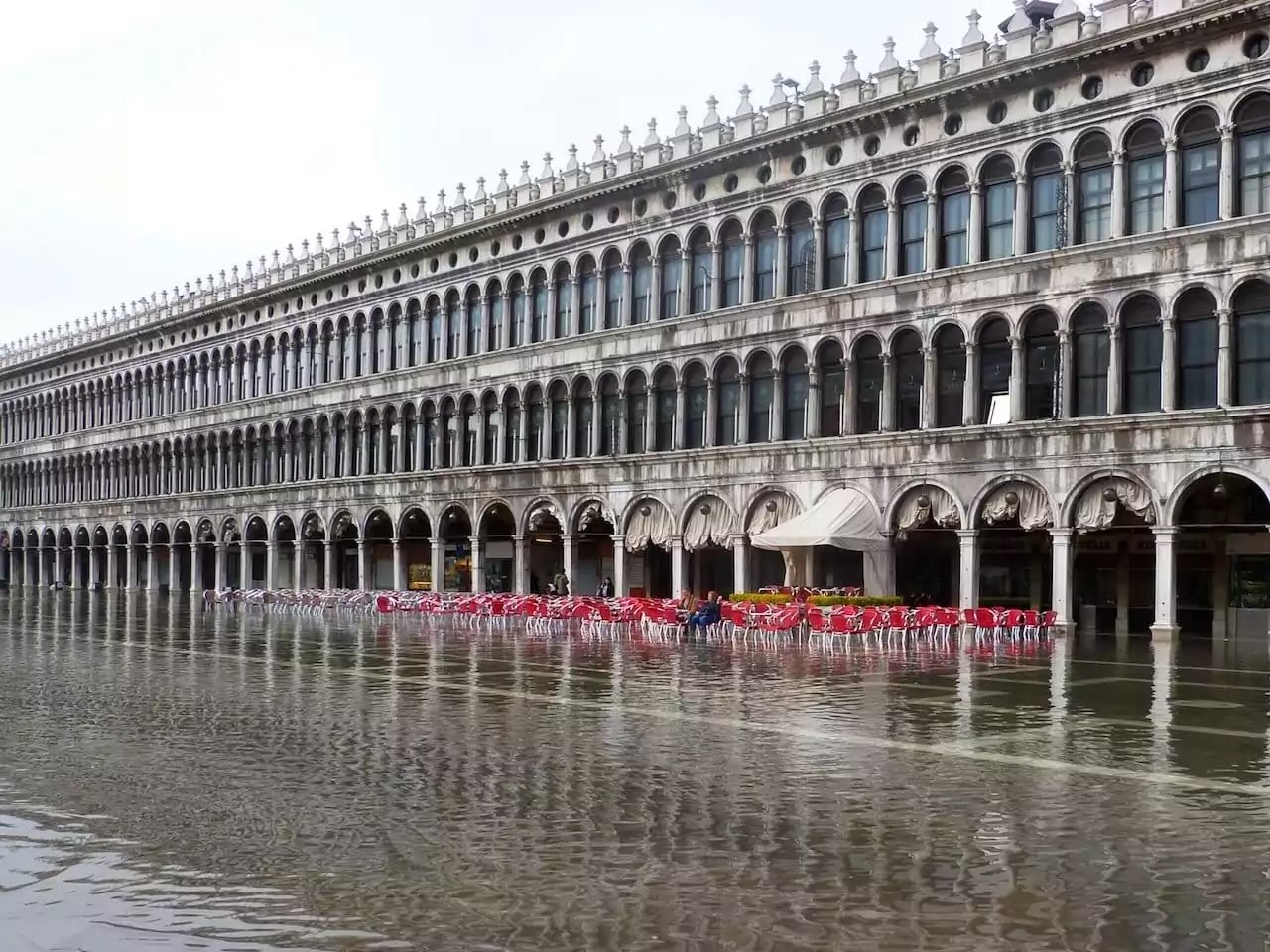
For centuries, Venice regularly experienced episodes of acqua alta.
Several factors explain why flooding was so common:
➜ Venice Is Built Directly on the Lagoon
Venice sits on a series of small islands in a shallow lagoon connected to the Adriatic Sea.
When tides became especially high, seawater could easily enter the city through canals and lower streets.
➜ Wind and Weather Made Things Worse
Strong southern winds (especially the sirocco) could push seawater toward the lagoon and temporarily trap it there.
Heavy rain and storms often amplified the phenomenon.
➜ The City Slowly Sank Over Time
Venice has gradually subsided over the centuries.
Part of this is natural, but industrial groundwater pumping during the 20th century accelerated the process.
At the same time, sea levels have continued to rise.
➜ The consequences of climate change
With climate change and rising sea levels, acqua alta gradually became more severe, and some flooding events reached exceptional levels.
In November 2019, Venice experienced a historic acqua alta — the worst in more than 50 years.
Water levels rose more than 6 feet (1.87 meters) above normal, causing major damage across the city:
- over a meter of water inside St. Mark’s Basilica
- café tables and chairs swept away
- shops and restaurants flooded
- and even one fatal electrocution
It became clear that Venice needed a solution to protect itself from these increasingly destructive floods.
How Venice protects itself from flooding today?
To protect the city from major acqua alta flooding events, Venice developed a massive protection system known as MOSE.
After nearly two decades of development, this project officially became operational in 2020, following years of delays and impressive construction work across the lagoon.
In practical terms, MOSE is a gigantic system of mobile barriers installed at several entrances to the Venetian lagoon.
When tides higher than 3.6 feet (1.10 meters) are forecast, huge metal gates rise from the seabed to temporarily block seawater from entering the lagoon and protect Venice from the most severe flooding.
The result?
Since the deployment of MOSE, major flooding events in Venice have become extremely rare — almost disappearing altogether.
What does acqua alta actually look like in Venice?
Can You Still Experience Acqua Alta in Venice Today?
Honestly… not really.
Or at least, nothing compared to what Venice used to experience in the past.
Today, you no longer see entire areas of the city completely flooded, requiring boots or raised walkways just to move around.
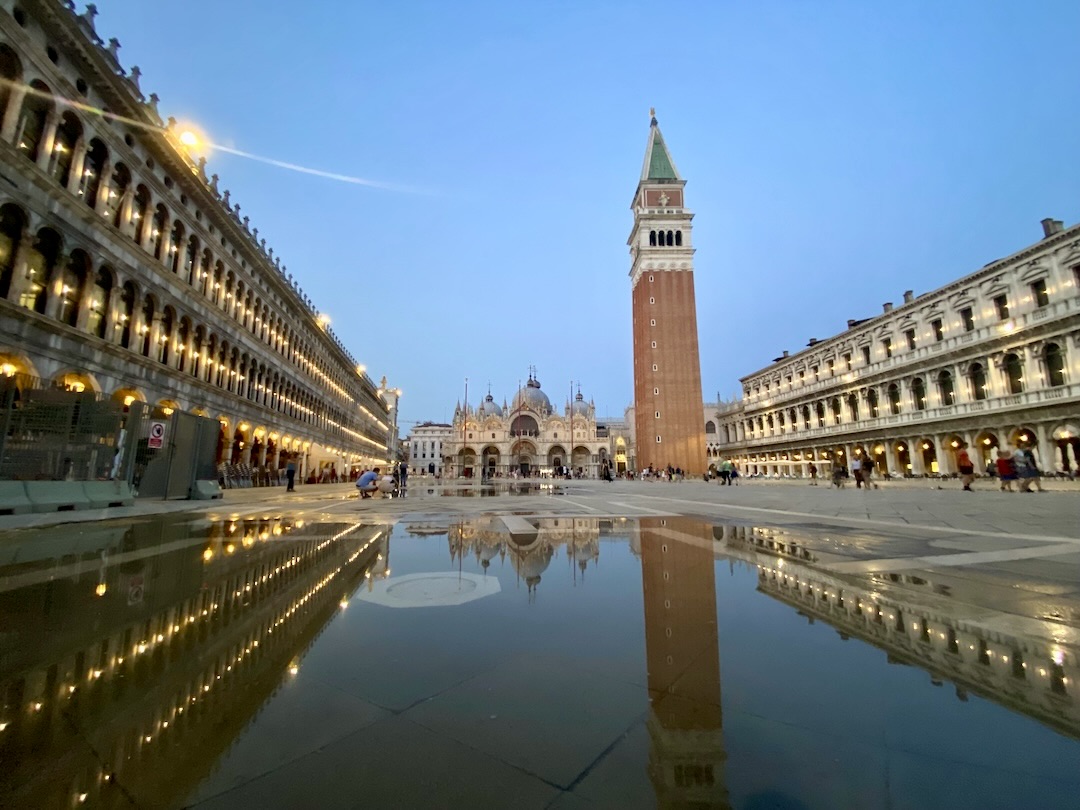
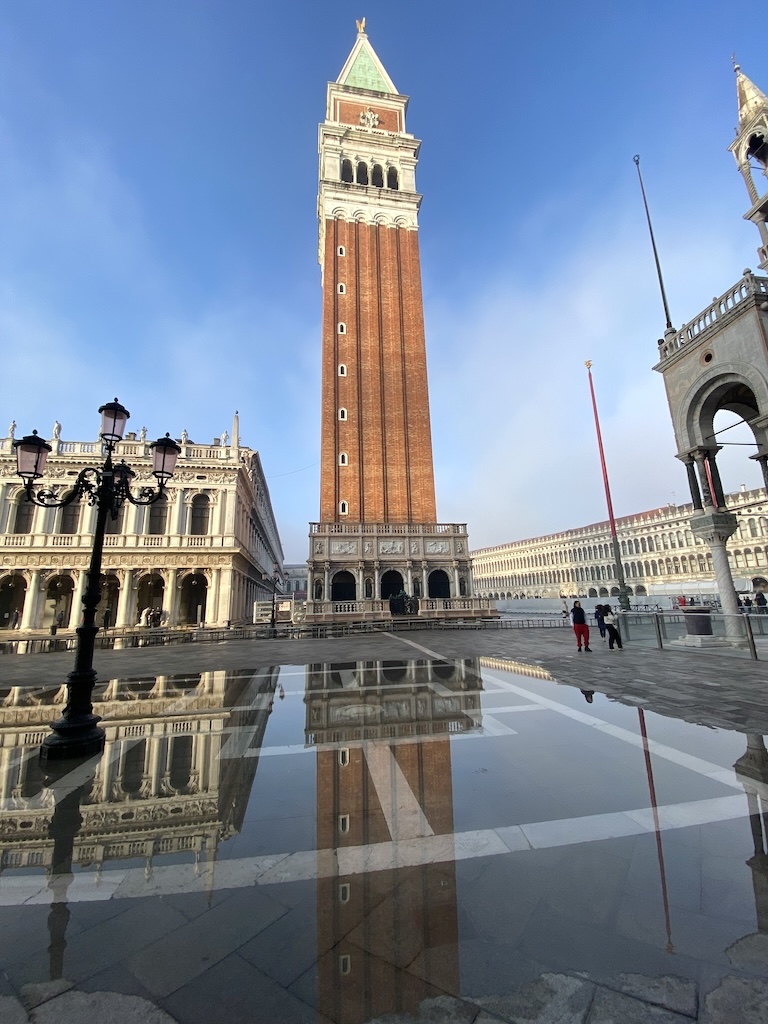
Occasionally, a little water may still appear around the edges of St. Mark’s Square,
but the square and its surroundings are no longer entirely underwater like they once were.
If you’re planning to visit Venice in autumn or winter, acqua alta is no longer something you truly need to worry about.
Nowadays, acqua alta is generally limited to:
- large puddle
- or minor canal overflows in certain low areas
Getting around the city is no longer seriously affected.
Raised walkways are still sometimes installed during winter, but nowadays they feel almost more like tradition or precaution than a real necessity.
In short: today’s acqua alta is a world away from the dramatic images seen before 2020.
Should you avoid Venice during acqua alta?
There’s really no reason to worry about acqua alta in Venice anymore.
The phenomenon is now largely under control thanks to the MOSE system,
and the inconveniences visitors may still encounter are usually very minor.
That said, if you want to minimize the chances of experiencing acqua alta during your trip, I’d recommend visiting Venice in spring or early summer.
Between April and June, the risk is generally very low, and the conditions are often ideal for exploring the city on foot, enjoying outdoor cafés, and wandering peacefully through Venice’s different neighborhoods.
The most sensitive period for acqua alta is typically between November and January.
That doesn’t mean you should avoid Venice during winter — quite the opposite, actually.
The atmosphere can be absolutely beautiful at that time of year.
But it’s during these months that you’re most likely to experience the small-scale acqua alta events that still occasionally occur despite the MOSE system.
My Practical Tips for Visiting Venice During Acqua Alta
To plan your trip as smoothly as possible, you can check real-time acqua alta forecasts on the official Venice monitoring website.
You can also ask your hotel reception for updates and advice.
The city even provides a small practical guide dedicated to tourists about acqua alta.
If you’re visiting Venice during this period, it’s still a good idea to bring appropriate shoes.
Not necessarily rubber boots or protective overshoes like people used to need in the past,
but at least shoes that can handle humidity and a few puddles — especially if you plan to walk around the lower parts of the city during high tide.
That said, nothing guarantees you’ll experience these minor flooding episodes during your trip.
Above all, enjoy the atmosphere!
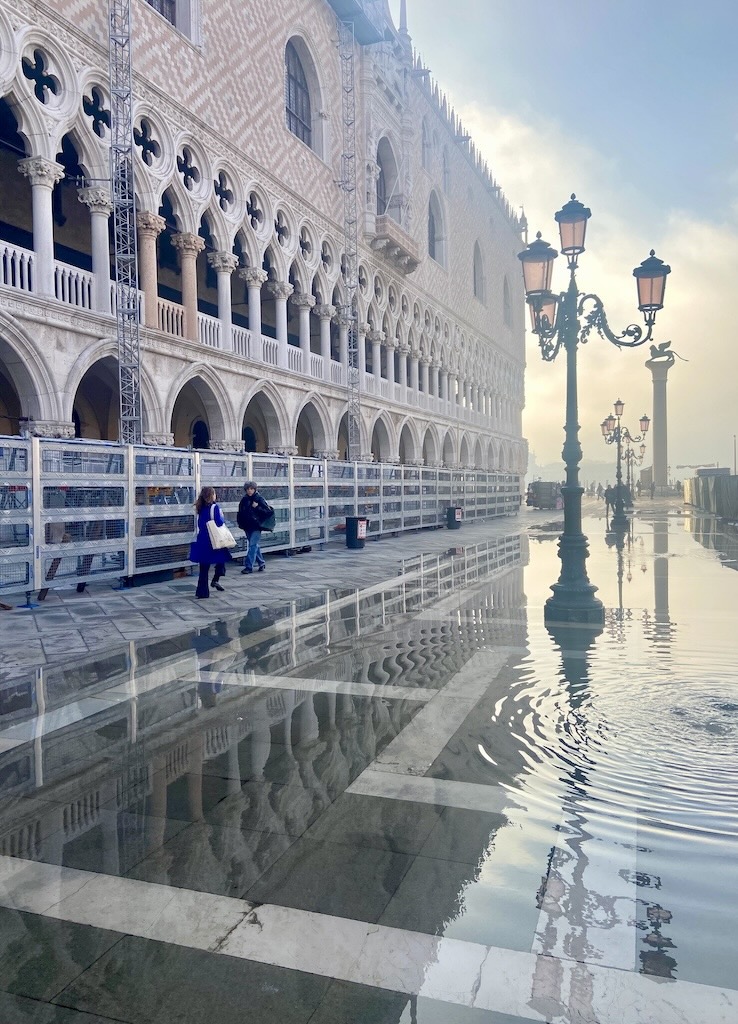
The remaining patches of water can create beautiful reflections throughout the city, especially in quieter streets and around St. Mark’s Square.
For photographers, it can actually become a fantastic opportunity for unique pictures!
And that’s it!
I hope this guide answered all your questions about acqua alta in Venice. If you still have some, feel free to ask them in the comments — I’ll be happy to help 🙂
☞ Useful links to help you plan your trip to Venice:
One Last Word: This article is an English adaptation of an original French post published on lauraenvoyage.fr
It is the result of many hours of work. If you found it useful, you can support my work by using the booking links included in this article. Some of them are affiliate links, which means I may earn a small commission — at no extra cost to you. This helps me continue creating 100% independent and free content. Thank you so much for your support ♥︎